
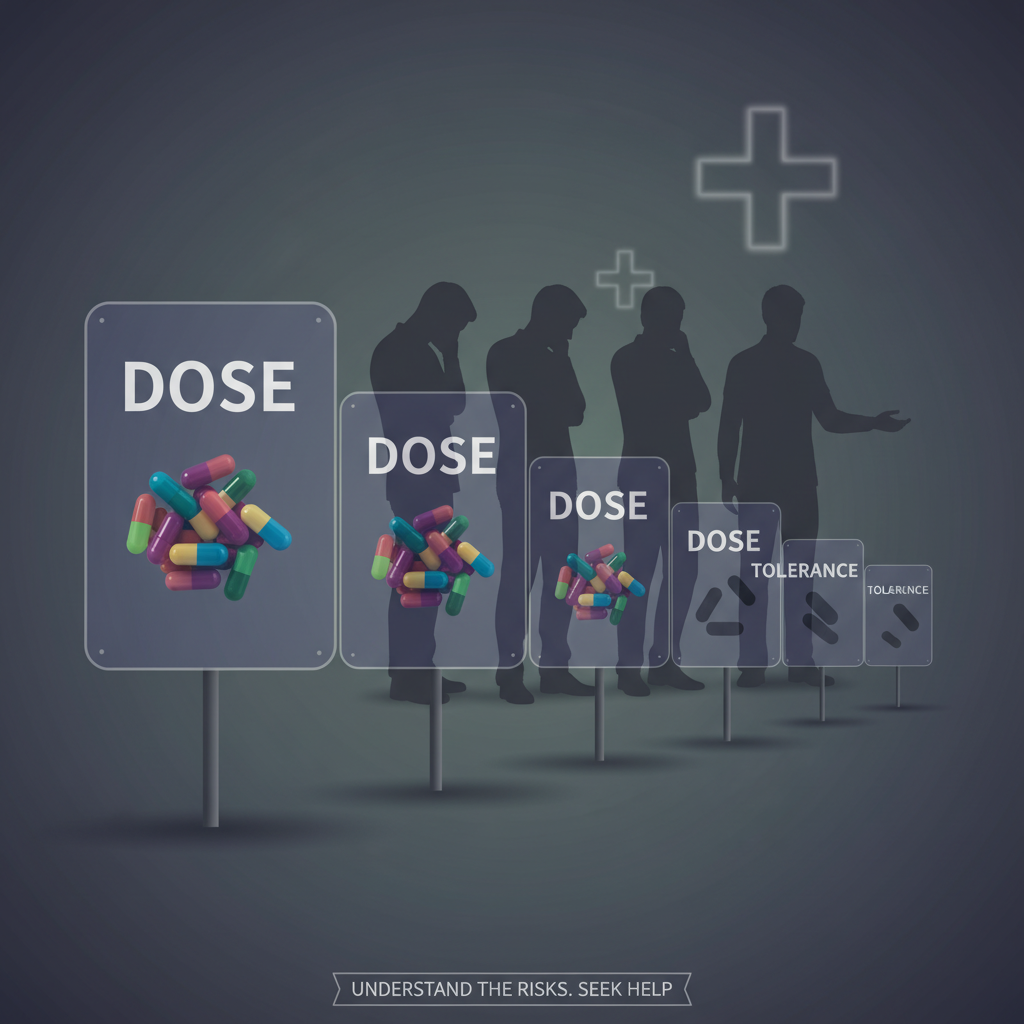
Understanding tolerance signs in drug misuse
When you think about substance problems, you might picture overdose, arrest, or losing relationships. Long before those crises, your body usually sends quieter warnings. One of the earliest and most important is drug tolerance. Recognizing tolerance signs in drug misuse helps you spot risk before it becomes a full addiction or medical emergency.
Drug tolerance means your body becomes less responsive to a substance at the same dose, so the drug no longer works as well as it did before. You might notice that you need more alcohol, pills, or other substances to feel the same effect, or that the effect does not last as long. This diminished response can develop over time or even within the first few doses depending on the substance and your biology [1].
Tolerance by itself is not the same as addiction, but it is one of the clearest early markers that your relationship with a drug is shifting in a risky direction [2]. When you understand how tolerance works and how it shows up in your daily life, you are in a better position to make informed choices and seek help before things escalate.
What drug tolerance actually is
Drug tolerance is a physical change in how your body responds to a medication or substance. After repeated use, the same amount no longer produces the same effect. You might still feel something, but it is weaker or shorter than it used to be.
From a medical standpoint, tolerance can involve two main processes:
- Your cell receptors become less responsive to the drug, so the same amount no longer triggers the same effect.
- Your body, especially your liver, starts clearing the drug faster, so the drug spends less time active in your system [2].
Both of these are the body adapting to repeated exposure. This kind of adaptation can happen with legal medications, like painkillers or sedatives, and with illegal drugs or alcohol. Tolerance is a physical effect of continued use, not a moral failure or lack of willpower. It also does not automatically mean you are addicted, but it often sits on the same path that leads to dependence and addiction if use continues or escalates [3].
Tolerance, dependence, and addiction
It is important to separate three related but distinct concepts: tolerance, dependence, and addiction. They often overlap, but they are not identical.
- Tolerance is a diminished response to a drug after repeated use. You need more or more frequent doses to get the same effect [2].
- Dependence means your body or mind has adapted so strongly that you feel physical or psychological symptoms when you cut back or stop. These can include withdrawal symptoms like anxiety, tremors, sweating, or cravings [4].
- Addiction refers to a pattern of compulsive use. You keep using even when it damages your health, relationships, work, or safety. You may feel out of control or unable to stop.
You can have tolerance without being addicted, especially with long-term prescribed medications. You can also experience dependence if your body reacts strongly when a substance is reduced, even if you are taking it exactly as directed. However, rising tolerance is often one of the first warning flags that your use could move into dependence or addiction if nothing changes [5].
If you already suspect dependence, it can help to review specific physical signs of drug dependency, behavioral signs of addiction, and emotional signs of substance use disorder.
General warning tolerance signs in drug misuse
Tolerance does not look the same for everyone or with every substance, but several patterns show up repeatedly when drug use is becoming riskier. If you recognize several of these in yourself or someone close to you, it is worth taking them seriously.
Needing higher or more frequent doses
One of the clearest tolerance signs in drug misuse is needing more of the substance to get the same effect. This can show up in different ways:
- Pouring larger drinks or drinking faster than you used to
- Taking extra prescription pills because “one is not doing anything anymore”
- Using more lines, hits, or capsules than when you started
- Using the substance earlier in the day or more times per day
Both medical and addiction resources agree that increased dosage is a key marker of tolerance, especially in misuse situations [6].
Diminished effect at your usual dose
Another core sign is that your “normal” amount barely moves the needle. You might notice:
- The same number of drinks no longer gives you a buzz
- Your usual dose of painkillers does not touch the pain anymore
- A typical amount of a stimulant no longer gives you the same focus or energy
This reduced effect despite steady dosing is a hallmark of tolerance [7].
Using more often to “maintain” the feeling
As tolerance builds, you might shift from using occasionally to using more regularly just to maintain a baseline feeling. Instead of using to feel good, you are using to avoid feeling bad or “off.” Frequent use to maintain effects is another behavioral sign that tolerance is taking hold [7].
Spending more time and energy on getting or using
Tolerance often drives increased time, money, and attention spent on substances. You might catch yourself:
- Rearranging your schedule to drink or use
- Going out of your way to refill prescriptions early or find extra pills
- Spending more time thinking about using or planning your next dose
These behavioral changes show how your life gradually adapts to accommodate rising use, which is closely tied to tolerance and early dependence [7].
Emerging withdrawal or “rebound” symptoms
Although withdrawal signals dependence rather than tolerance alone, it often follows a period of rising tolerance. For example, marijuana users who stop after regular use may notice symptoms within 48 hours, such as irritability, sleep issues, or mood changes. Symptoms can last 2 to 10 days as the body re-adjusts to the absence of THC [3].
If you feel shaky, anxious, uncomfortable, or unwell when you are not using, and those symptoms ease when you take the drug again, that is a sign dependence may be developing on top of tolerance.
Substance specific tolerance signs
Tolerance can appear with almost any psychoactive substance, but the symptoms and risks look different with opioids, alcohol, stimulants, benzodiazepines, marijuana, kratom, and other prescription medications. Understanding these patterns can help you recognize problems sooner and avoid dangerous substance use patterns.
Opioids and prescription painkillers
Opioid tolerance often develops with medications such as oxycodone, hydrocodone, morphine, fentanyl, or illicit opioids like heroin. You might notice:
- Your pain relief wears off faster than it used to
- You need more pills or a stronger dose to get the same relief
- You start taking doses early or between scheduled times
- You feel sick, achy, or anxious when a dose wears off, and quickly better after taking more
Physically, opioid tolerance happens because your body speeds up how it metabolizes the drug and reduces the number of receptors that opioids attach to in the brain. This means you must keep taking more to get the same “high” or relief [4].
This cycle significantly raises your risk of overdose, accidental injury, and deepening dependence or addiction [4]. If you are seeing these patterns, you may also recognize some signs of painkiller addiction, signs of opioid addiction, signs of fentanyl use, or signs of heroin dependence.
Alcohol
Alcohol tolerance is common and often normalized, but that does not mean it is harmless. Warning signs include:
- You can drink significantly more than others without appearing drunk
- You need more drinks to feel relaxed or sociable
- You rarely get hangovers despite heavy drinking
- Friends or family comment that you “hold your liquor too well”
Research on learned tolerance shows that with prolonged alcohol exposure, outward signs of intoxication become less obvious, even though your blood alcohol level and risks remain high [5]. This can create a false sense of control and increase the risk of accidents, health problems, and legal issues.
Benzodiazepines and sedatives
Medications like Xanax, Ativan, Valium, or sleep aids can quickly lead to tolerance, even when prescribed. Tolerance signs include:
- Your usual dose no longer calms anxiety or helps you sleep
- You request early refills or ask your provider to increase the dose
- You find yourself taking extra pills “just this once” to get relief
Because benzodiazepines can cause intense withdrawal and serious medical complications if stopped suddenly, growing tolerance and dependence are especially risky. If you recognize these changes, it may help to learn more about signs of benzo dependence and talk with a medical professional before making any changes.
Stimulants, including cocaine and methamphetamine
Stimulants, both illegal and prescribed, often build tolerance quickly. With cocaine or methamphetamine, tolerance can develop over relatively short periods of use, sometimes within days or weeks [5].
Warning signs include:
- Using larger amounts to get the same energy, focus, or euphoria
- Shorter “highs” that lead to more frequent dosing or binges
- Spending longer periods using and having a harder time stopping once you start
Over time this pattern can lead to severe physical and psychological consequences. If you relate, it may be helpful to review signs of stimulant addiction, signs of cocaine addiction, and signs of methamphetamine addiction.
Prescribed stimulants for ADHD can also lead to tolerance if misused, for example by taking more than prescribed, crushing and snorting pills, or using without a prescription. These behaviors move into the territory of signs of prescription pill addiction.
Marijuana
Marijuana is often seen as low risk, yet tolerance and withdrawal are well documented. Tolerance signs include:
- Needing more THC or stronger products to feel the same effects
- Smoking or using edibles more frequently throughout the day
- Feeling irritable, anxious, or having trouble sleeping when you cut back
Withdrawal symptoms from marijuana typically begin within 48 hours of stopping, and may last from 2 to 10 days as your body reacts to the absence of the substance [3].
If you feel uneasy about your cannabis use, exploring signs of marijuana dependence can clarify where you stand.
Kratom and other “legal” substances
Kratom and similar products are often marketed as natural or safe, but they can still lead to tolerance, dependence, and addiction. With ongoing use, your body adapts, and you may:
- Need higher doses of kratom to achieve pain relief or mood effects
- Experience discomfort, fatigue, or mood swings when you do not use
- Find it difficult to cut back, even as side effects increase
This pattern of rising use and discomfort without the substance is consistent with tolerance and early dependence. You can learn more through resources on signs of kratom addiction.
Why tolerance in drug misuse is so dangerous
Although tolerance is a physical adaptation, not a moral issue, it carries serious risks when substances are misused. Several dangers stand out in the research.
Higher doses and overdose risk
As tolerance builds, you may increase doses to chase the original effect. This escalation increases the chance of overdose, especially with opioids, alcohol, and sedatives. With unregulated or street drugs, where potency and contamination are unpredictable, the risk is even greater. Individuals seeking their “usual” feeling by taking more put themselves at a high risk of overdose and other health complications [1].
Multiple sources highlight that needing increasing doses for the same effect can lead to physical harm, accidental overdose, and more severe dependence or addiction if the pattern continues unchecked [8].
Complicated treatment and side effects
For medically prescribed drugs, tolerance can make treatment harder. Doctors may need to increase the dose or switch medications to maintain therapeutic effects. Every adjustment carries some risk of side effects or interactions, and rising doses can strain your organs, especially your liver and kidneys [2].
Sometimes, clinicians recommend carefully managed breaks or “drug holidays” to help the body reset its responsiveness. These should only be done under medical supervision, because stopping some medications suddenly can be dangerous [1].
Progression toward dependence and addiction
Tolerance on its own is not addiction, but it is often a step on that path. As you need more to feel the same effect, you may begin using more frequently or in riskier ways. Over time, this can result in physical or psychological dependence, where you feel you cannot function normally without the substance [4].
The presence of tolerance is a significant sign that you may be increasing dosage levels to achieve previous effects, which can lead to deeper addiction if the behavior goes unchecked [5]. Recognizing this early offers an important opportunity to change course.
Behavioral and emotional red flags to watch
Beyond the physical signs of tolerance, changes in your behavior and emotions can reveal that substance use is shifting from casual to risky. These patterns often overlap with hidden signs of addiction and escalating substance use indicators.
You might notice:
- Increasingly planning your day around using or recovering from use
- Hiding how much or how often you use from people you care about
- Feeling irritated or defensive when someone brings up your use
- Needing substances to cope with ordinary stress, boredom, or emotions
- Continuing use even after negative consequences at work, school, or in relationships
These behaviors are not proof of addiction, but they are strong clues that tolerance and use have progressed into a more entrenched pattern. Families can also benefit from understanding addiction red flags families should watch for and signs addiction is getting worse.
When tolerance means it is time to seek help
You do not need to hit a classic “rock bottom” to deserve support. In fact, the earlier you act, the easier it usually is to change course. You might consider reaching out for professional help if you notice any of the following:
- You consistently need more of a substance than you used to feel the same effect
- You feel unwell, anxious, or low when you do not use, and relief only comes after taking the substance
- You have tried to cut back and found it harder than you expected
- Your substance use is beginning to affect your health, sleep, mood, or responsibilities
Tolerance alone does not diagnose addiction, but it is one of the most important early warning signs that your substance use deserves attention. You can explore more about recognizing psychological dependence and patterns of compulsive substance use to see where your experiences fit.
If you are worried about someone else, resources on signs someone needs addiction treatment and high risk addiction behaviors can guide your next steps.
If you notice yourself needing more of a substance for the same effect, that is your body telling you something has changed. Listening to that message is not weakness, it is a practical, protective step for your long‑term health.
Whether you are dealing with alcohol, prescription medications, or illicit drugs, understanding tolerance signs in drug misuse gives you a clearer picture of what is happening in your body and life. From there, you can choose safer options, talk openly with a healthcare provider, and, if needed, begin a path toward treatment and recovery.