
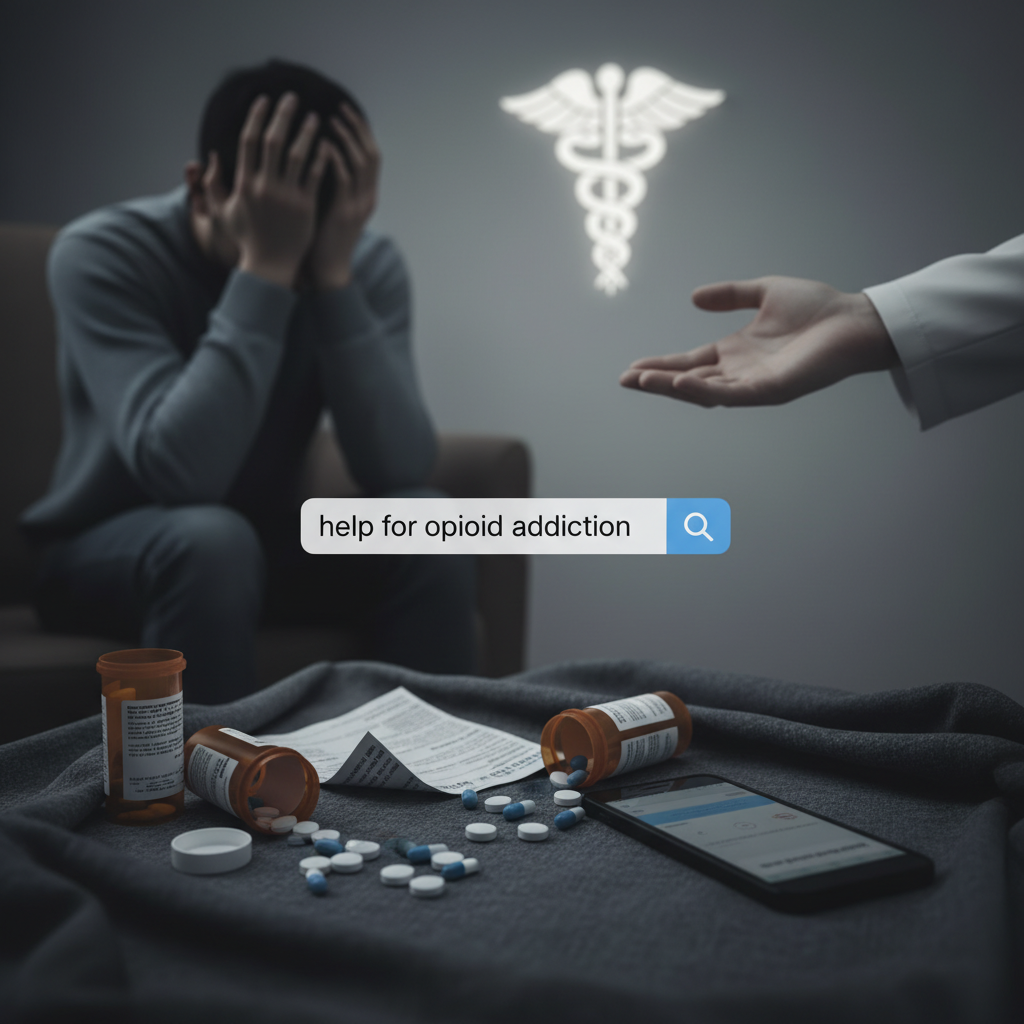
Why signs of painkiller addiction are easy to miss
You probably expect the signs of painkiller addiction to be obvious. Slurred speech, nodding off, or clear intoxication. In reality, some of the most important signs of painkiller addiction are subtle, gradual, and easy to explain away as stress, fatigue, or “just a bad week.”
Prescription opioids and other pain medicines are widely used for legitimate medical reasons. As many as 3 to 12 percent of people treated with opioids for chronic pain will develop addiction or abuse with harmful consequences, according to the American Psychiatric Association in 2024 [1]. That risk is even higher when you add alcohol, benzodiazepines, stimulants, or other substances.
Understanding what is normal medication use and what points toward a growing problem can help you make informed decisions about your health. It can also help you recognize when it is time to seek professional help or learn more about the signs of prescription pill addiction.
Addiction, dependence, and tolerance
Before you look at specific signs of painkiller addiction, it helps to understand three related but different concepts: dependence, tolerance, and addiction. These terms are often confused, even by healthcare professionals, which can create stigma and misdiagnosis.
Physical dependence
If you take opioid pain medications like Vicodin, Norco, oxycodone, or morphine for more than a short period, your body will begin to adapt. Cell receptors adjust to the presence of the drug and you become physically dependent [2].
If you suddenly stop, you may experience withdrawal. Symptoms can include:
- Tremors
- Stomach upset, diarrhea, or nausea
- Sweating or chills
- Muscle or bone pain
- Restlessness
This reaction is a physiological response. It does not automatically mean you are addicted. Nearly everyone on long term opioid therapy develops physical dependence, but only about 8 percent or fewer develop addiction [3].
Tolerance
Tolerance means your usual dose no longer gives the same effect. You may notice:
- You need more pills to get the same pain relief
- The medication “wears off” sooner than it used to
Tolerance is expected with ongoing opioid use and other medications, and by itself is not addiction [2]. It becomes more concerning when you start chasing euphoria rather than pain relief or you begin ignoring dosing instructions in order to feel the medication.
To understand tolerance in a broader context, you can also review tolerance signs in drug misuse.
Addiction and opioid use disorder
Addiction, or opioid use disorder, involves a loss of control over use despite harm. The DSM-5-TR describes opioid use disorder as a pattern of opioid use that causes significant distress or problems, with at least two symptoms in a 12 month period, such as:
- Using more or for longer than intended
- Unsuccessful attempts to cut down
- Spending excessive time obtaining, using, or recovering from opioids
- Craving
- Continued use despite physical, psychological, or social harm [1]
Addiction includes both physical and psychological components. There is often a strong mental and emotional drive to use, even when your body is suffering. You might find it useful to read more about recognizing psychological dependence and the broader behavioral signs of addiction.
A 2021 study of American veterans found that only 57.7 percent of people coded as having “opioid use,” “abuse,” or “dependence” actually met criteria for opioid use disorder. Almost 20 percent had no addiction but were on long term opioid therapy for chronic pain [3]. This confusion can lead to stigma, abrupt discontinuation, increased overdose risk, and even legal consequences.
Understanding this distinction can help you approach your own situation with more clarity and less shame.
Behavioral signs you might overlook
Behavior often changes before physical symptoms become obvious. Many of the early warning signs of painkiller addiction show up in your routines, choices, and priorities.
These subtle behaviors are also common across other substances, including stimulants, benzodiazepines, marijuana, and kratom. You can find more details in our guides on behavioral signs of addiction, signs of stimulant addiction, and signs of kratom addiction.
Changing how and why you use the medication
You might start with a prescription used exactly as directed. Over time, you may notice:
- You are taking painkillers “just in case” before activity, even when you are not currently in pain
- You use them primarily to relax, sleep, or “take the edge off,” not only for pain
- You stretch the definition of pain to justify a dose
This shift from using pills to treat clear physical symptoms to using them to manage mood, stress, or boredom is a quiet but important warning sign.
Drug seeking and medication focus
As addiction progresses, finding, taking, and thinking about painkillers starts to occupy more space in your life. Common examples include:
- Taking more pills than prescribed or finishing prescriptions early
- “Losing” prescriptions or claiming the bottle spilled, then requesting early refills
- Visiting multiple doctors, urgent care clinics, or emergency rooms to obtain additional prescriptions, sometimes called “doctor shopping” [4]
- Borrowing pills from friends or family
- Hoarding medication or hiding extra pills “just in case” [2]
These behaviors often arrive before your use looks obviously out of control. They are early high risk addiction behaviors that can help you recognize a developing problem.
Shifts in priorities and responsibilities
Painkiller addiction rarely stays confined to your medicine cabinet. You may start to notice that:
- You are late to work or miss days due to being “sick” or recovering
- Projects, grades, or job performance decline
- Household responsibilities pile up because you are too sedated, unmotivated, or focused on obtaining medication
- You cancel plans or withdraw from activities you once enjoyed
When substance use starts to outrank responsibilities, hobbies, or relationships, it often indicates an evolving pattern of compulsive substance use.
Increasing secrecy
You may not want others to see how often you are taking pills or how you behave when you do. Common forms of secrecy include:
- Taking pills in the bathroom or another room so others do not see
- Downplaying how much you are using
- Getting angry, defensive, or evasive when someone asks about your medication
- Hiding prescription bottles or transferring pills into unlabeled containers
Secrecy alone does not prove addiction, but it is a consistent component of hidden signs of addiction across substances.
Emotional and psychological warning signs
Painkiller addiction is not only physical. Opioids and other medications affect the brain’s reward system and can dramatically shift mood and thinking.
These psychological changes are often among the most “surprising” signs that something deeper is going on.
Mood swings and personality changes
You might notice yourself reacting differently than you used to. For example:
- Irritability or anger when you cannot take a pill or when someone questions your use
- Periods of unusually elevated mood after taking medication, followed by low, flat, or depressed states as the drug wears off
- Anxiety when you are running low or when refills are delayed
As painkillers affect your brain’s pleasure center and neurotransmitters, they can trigger erratic mood swings, irritability, anxiety, and depression [4]. These patterns often overlap with broader emotional signs of substance use disorder.
Thinking about medication more than you expect
Persistent mental focus on painkillers is another overlooked sign. You may find yourself:
- Frequently checking how many pills you have left
- Planning your day around when you can take your next dose
- Spending a lot of time thinking about how good you will feel once you take a pill
People addicted to opioids often lose control over their use and continue taking them to feel “normal,” driven by increased tolerance and withdrawal symptoms [5]. Craving is a central part of addiction and is one of the diagnostic criteria for opioid use disorder.
Difficulty concentrating or “mental fog”
Opioids and other sedating medications can affect attention, memory, and decision making. You might notice:
- Trouble following conversations
- Making small mistakes at work you would not have made in the past
- Feeling “out of it” or detached, especially between doses
Opioids in particular can cause difficulty concentrating or making decisions [5]. Over time, this cognitive fog can contribute to accidents, conflicts, and performance problems that are sometimes misattributed to aging or stress.
If this mental fog appears alongside other red flags, it can be part of the broader pattern of addiction red flags families should watch for.
Physical signs beyond obvious intoxication
There are well known physical signs of opioid intoxication, such as pinpoint pupils, sedation, and slowed breathing. However, some of the more telling signs of painkiller addiction are the less dramatic daily changes you might not immediately connect to medication.
Many of these are also common across other substances and overlap with the general physical signs of drug dependency.
Withdrawal that feels like “the flu”
One of the clearest markers of dependence and often addiction is what happens when you cut back or miss doses. Withdrawal from painkillers can look like:
- Stomach cramps or abdominal pain
- Nausea, vomiting, or diarrhea
- Muscle and bone aches
- Sweating, chills, or goosebumps
- Runny nose, watery eyes, or yawning
- Restlessness, insomnia, or anxiety [6]
Because withdrawal symptoms resemble the flu, it can be tempting to dismiss them. However, if you repeatedly feel “flu like” every time you try to stretch doses or stop, that is a strong sign your body has adapted to regular use.
Neglected self care and appearance
As painkiller use escalates, everyday self care often slips. You may notice:
- Less attention to grooming or hygiene
- Weight changes without clear explanation
- Looking tired, worn down, or older than your age
Physical symptoms like fever, muscle cramps, trembling, or confusion when stopping opioids, combined with neglected personal hygiene, are common indicators of painkiller addiction [4].
Breath, heart rate, and overdose risk
In higher doses, particularly when combined with alcohol or benzodiazepines, opioids can slow breathing and heart rate to dangerous levels. Signs of overdose can include:
- Very slow or stopped breathing
- Extreme sleepiness, inability to wake up
- Blue or gray lips or fingertips
These are medical emergencies. Slowed breathing that reaches life threatening levels requires immediate medical attention [5].
Understanding these severe risks is part of recognizing when addiction is getting worse and when emergency care is needed.
If you suspect overdose, call emergency services immediately. Do not wait to see if the person “sleeps it off.”
Social and life impact you may downplay
Painkiller addiction often progresses quietly in the background of an otherwise busy life. You may still be going to work, caring for family, and handling basic tasks. This can make it easier to minimize the impact, especially in the early stages.
Strain in relationships
Loved ones might not initially realize substance use is driving changes, but they may notice that you:
- Are more withdrawn or emotionally distant
- Seem preoccupied or uninterested in family activities
- Are irritable, defensive, or secretive
- Forget commitments or show up late
Over time, these patterns can erode trust. Family members may feel they are “losing” you without understanding why. This dynamic is also common with alcohol, stimulants, marijuana, and other drugs, and is part of the broader dangerous substance use patterns that affect family life.
Work, school, and financial consequences
Painkiller addiction can show up at work or school long before you recognize it yourself. You might experience:
- Declining performance, missed deadlines, or more errors
- Absences due to withdrawal, sedation, or attempts to stop on your own
- Financial stress from paying for extra prescriptions or illicit pills
Someone with painkiller addiction often experiences disruptions in work, home, or social life and continues use despite these negative consequences, sometimes while insisting that nothing is wrong [4].
These consequences are key indicators that a substance problem has moved beyond casual misuse and into the territory where someone needs addiction treatment.
Severity markers that signal higher danger
Not every sign of painkiller addiction carries the same level of risk. Some patterns suggest that your situation has become significantly more dangerous and that you should seek help as soon as possible.
Escalating use and polysubstance patterns
Powerful warning signs include:
- Rapidly increasing your dose, especially without medical guidance
- Crushing, chewing, or snorting pills to feel the effects faster
- Mixing painkillers with alcohol, benzodiazepines, or sleep medications
- Using opioids along with stimulants to “balance out” the effects
These behaviors increase overdose risk and often indicate that your use is no longer about pain control. They are examples of escalating substance use indicators and polysubstance addiction.
Public Health England has reported that around one third of regular painkiller users misuse their medications and approximately 10 percent become addicted [4]. Adding additional substances significantly magnifies the danger.
Transitioning to stronger or illicit opioids
Some people who start with prescription painkillers eventually move to more potent or cheaper alternatives such as illicit fentanyl or heroin. You may notice:
- Pills are harder or more expensive to obtain
- Friends or contacts suggest stronger opioids
- You begin experimenting with powders or tablets bought outside of a pharmacy
Even if this step feels like a “one time solution,” it is a serious turning point. You can learn more in our resources on the signs of fentanyl use and signs of heroin dependence.
Health complications and overdose history
If you have already experienced:
- Episodes of extreme sedation or breathing problems
- Seizures
- Respiratory depression, such as slowed breathing, lowered heart rate, and blood pressure
- Hospitalization or ER visits related to painkillers
Then your risk is significantly higher. Painkiller addiction can lead to liver and kidney damage, seizures, respiratory depression, coma, and even respiratory failure caused by overdose [7].
These complications are clear markers that your relationship with painkillers has moved far beyond therapeutic use and into a level of danger that warrants immediate professional help.
How painkiller signs compare to other substances
Many signs of painkiller addiction overlap with patterns seen in other substances, such as:
- Alcohol
- Benzodiazepines
- Stimulants
- Marijuana
- Kratom
If you or someone close to you uses multiple substances, reviewing related signs can provide a fuller picture:
- Signs of benzo dependence
- Signs of stimulant addiction
- Signs of methamphetamine addiction
- Signs of cocaine addiction
- Signs of marijuana dependence
Polysubstance use increases the risk of mental health issues, overdose, and complicated withdrawal. Understanding the full pattern can help you and your care team plan a safer, more comprehensive response.
When to seek help and what treatment involves
Recognizing signs of painkiller addiction is only the first step. The next is deciding when to reach out for support.
Signs it is time to talk to a professional
You do not need to wait until everything falls apart to ask for help. Consider speaking with a healthcare professional if you notice any of the following:
- You have tried to cut back or stop and could not
- You experience significant withdrawal symptoms when you reduce your dose
- Your use creates ongoing problems at work, school, home, or in relationships
- You spend a lot of time thinking about, getting, or recovering from painkillers
- You use painkillers in ways your prescriber did not intend
These patterns align with clinical signs of opioid use disorder, where two or more symptoms within a year are enough for a diagnosis [8].
If these patterns are showing up across multiple substances, that is another indicator that your situation fits the profile of dangerous substance use patterns.
Why medically supervised detox matters
Detoxing from painkillers on your own can be extremely uncomfortable and in some cases risky, especially if you have other medical conditions or take additional substances. Withdrawal from painkillers can involve:
- Severe anxiety and restlessness
- Muscle and bone pain
- Nausea, vomiting, and diarrhea
- Intense cravings [7]
Detoxification carries risks including seizures and heightened anxiety, which is why medically supervised withdrawal is recommended for safety and effective recovery [7].
A professional program can also help distinguish between physical dependence and addiction, reducing the risk of mislabeling and abrupt discontinuation that can increase overdose risk threefold and contribute to suicidal thoughts or legal consequences [3].
What ongoing treatment can look like
Treatment is not one size fits all. Depending on your needs, it may include:
- Medical support, including medications for opioid use disorder when appropriate
- Individual therapy to address underlying pain, trauma, or mental health concerns
- Group therapy to reduce isolation and build support
- Education about relapse prevention and coping strategies
Specialist programs may also offer extended aftercare and post treatment plans that support you for months after initial stabilization [7].
As you explore options, it can help to review resources such as signs of opioid addiction and signs someone needs addiction treatment so you can clearly communicate your experiences to providers.
Moving forward with clarity and support
If you recognize yourself in any of these surprising signs of painkiller addiction, you are not alone. Many people begin taking pain medication for valid reasons and gradually find themselves in a place they did not intend to go.
You do not need every sign on this list to justify reaching out. Even a few concerning changes in behavior, mood, or physical health are worth discussing with a healthcare professional or addiction specialist. Early attention can prevent more severe consequences, including transition to stronger opioids, overdose, and long term health damage.
Pay attention to patterns, especially those that mirror other documented addiction red flags families should watch for. If your use feels harder to control, or if painkillers are quietly reshaping your daily life, that is your signal to seek support rather than waiting for a crisis.
References
- (APA)
- (Sutter Health)
- (NCBI)
- (Delamere)
- (NIDA)
- (APA; Priory Group)
- (Priory Group)
- (APA; NIDA)