
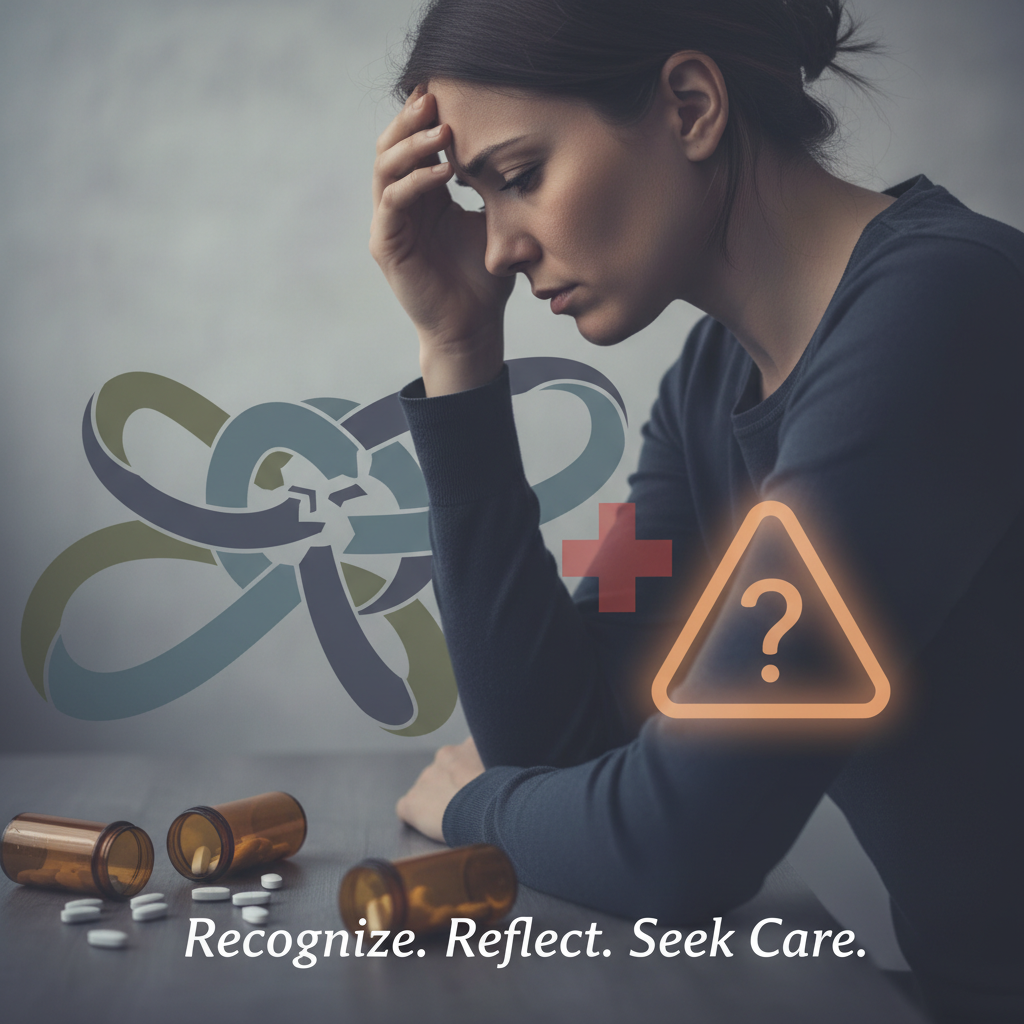
Why recognizing signs of benzo dependence early matters
If you take benzodiazepines for anxiety, sleep, or panic, you are not alone. Medications like Xanax, Ativan, Klonopin, and Valium can be very effective when they are used for a short time and closely monitored. Over time, however, regular use can quietly shift into dependence, even when you take your prescription exactly as written.
Recognizing the early signs of benzo dependence helps you protect your health before problems escalate. Regular benzodiazepine use can lead to both psychological and physical dependence, with withdrawal that can resemble severe alcohol withdrawal and may be life threatening in some cases [1]. Knowing what to watch for gives you a chance to speak with a medical professional and adjust your treatment plan safely.
This guide walks you through how benzo dependence develops, specific signs to pay attention to, what makes it dangerous, and when it is time to seek help.
If you recognize multiple warning signs in yourself or someone you care about, do not stop benzodiazepines suddenly. Talk with a doctor right away about a safe tapering and treatment plan.
How benzo dependence develops over time
Benzodiazepines were designed for short term use. Your brain adapts quickly to these medications, which is part of why dependence can develop even when you start with a legitimate prescription.
Tolerance, brain changes, and daily life
One of the earliest signs of benzo dependence is tolerance. You may notice that a dose that helped after a few weeks or months does not seem to work as well anymore. People often respond by taking a little extra or asking for an early refill. Even after just two to three months, your brain can begin to adjust so that the original dose feels less effective [2].
As your brain relies more on the medication to stay calm or sleep, it can become harder to manage daily stress without it. Over time you may feel like you cannot function, relax, or fall asleep unless you have taken your benzo. That feeling of needing the medication just to feel “normal” is a key marker of dependence.
Physical dependence versus addiction
It is important to distinguish physical dependence from addiction. Physical dependence means your body has adapted to the drug, and you will have withdrawal symptoms if you stop or reduce your dose suddenly. Addiction usually includes compulsive use despite harm and significant changes in behavior.
Not everyone who takes benzodiazepines becomes dependent. A very small percentage of people who take normal doses for short periods will develop significant dependence or withdrawal symptoms [3]. The risk increases when you:
- Use benzos for longer than a few weeks
- Take higher or increasing doses
- Use a short acting benzo like alprazolam (Xanax)
- Combine benzodiazepines with alcohol, opioids, or other drugs
Once dependence is present, sudden changes in dose can trigger withdrawal and make it harder to stop, even when you want to.
Early and subtle signs of benzo dependence
In the beginning, signs of benzo dependence can be easy to dismiss as “just stress” or “just my anxiety.” Paying attention to quieter changes can help you catch a problem early.
You might notice that you:
- Think frequently about your next dose or feel uneasy if you do not know exactly when you will take it
- Start taking doses a bit earlier than prescribed because you feel uncomfortable waiting
- Feel irritated or restless when you are delayed or miss a dose
- Tell yourself you will cut back “soon,” but find reasons why now is not a good time
You may also see subtle behavioral shifts that resemble other behavioral signs of addiction:
- Reorganizing your day around when you can take or refill your medication
- Becoming defensive or vague when someone asks about your prescription
- Quietly using more than your prescriber originally intended, but minimizing it to yourself
These early signs are not about blame. They are signals that your relationship with the medication is changing and that it may be time to revisit your treatment plan with a professional.
Behavioral signs of benzo dependence
As dependence deepens, behavioral patterns usually become more obvious. These changes often show up before serious physical problems, which makes them important to recognize.
Losing control over how you use benzos
A central behavioral sign of benzo dependence is loss of control. This may look like:
- Taking more pills than prescribed or using them more often than directed
- Running out of your prescription early and needing frequent refills
- Saving pills from older prescriptions and using them without medical guidance
- Using benzos in ways they were not prescribed, such as taking a sleep medication during the day to “take the edge off”
You might tell yourself these choices are temporary or justified by stress. Over time, however, the pattern can become more rigid and more secretive.
Changes in commitments, relationships, and responsibilities
Behavioral signs also show up in how you manage your life. You may:
- Miss work, school, or social commitments due to feeling too sedated or “out of it”
- Cancel plans so you can stay home and use your medication in the way you prefer
- Struggle to complete tasks that used to be manageable
- Experience conflicts with friends or family over your medication use
Chronic misuse or dependence on benzodiazepines can show up as changes in appearance and behavior that affect relationships and work performance. In younger people, this can appear as sudden mood changes or declining school performance [3].
If you notice a pattern of neglecting responsibilities or relationships because of how you feel on or off benzos, that is a strong warning sign that dependence is taking hold.
For more insight into common patterns across substances, you can explore patterns of compulsive substance use and dangerous substance use patterns.
Psychological and emotional signs you should not ignore
Benzodiazepines are prescribed to help with anxiety, panic, and insomnia. Ironically, when dependence develops, your emotional health can become more unstable, not less.
Mood changes and emotional dependence
As your brain adapts to regular benzo use, your baseline mood can change. You may notice:
- Increased irritability or anger, especially when doses wear off
- Waves of anxiety or panic between doses that feel worse than before you started the medication
- Emotional numbness, feeling “flat” or disconnected from your own life
- Depression, hopelessness, or loss of interest in things you used to enjoy
Mental confusion, fatigue, and intense cravings are significant signs indicating benzodiazepine misuse and a possible progression toward substance use disorder [2]. You might feel like your mind is foggy, your memory is slipping, or you cannot concentrate the way you used to.
At the same time, you may become psychologically attached to the medication. You might believe you cannot sleep at all without it, or that you would be completely unable to handle stress if you reduced your dose. This sense that you “need” the benzo just to get through the day is part of psychological dependence. If you want to understand this pattern more broadly, you may also find it helpful to read about recognizing psychological dependence.
Anxiety about running out or changing your dose
Another emotional sign of benzo dependence is strong anxiety or panic around:
- Running low on pills or misplacing your medication
- Traveling or being away from home without enough doses
- Your prescriber lowering your dose or suggesting a taper
- Insurance, pharmacy, or appointment issues that might affect your supply
The fear is often intense and can feel out of proportion to the situation. Instead of viewing dose changes as a clinical adjustment, you may experience them as a threat to your safety or stability. This reaction suggests that your nervous system has become heavily reliant on the drug.
If you start to notice that your mood and sense of security depend heavily on having your medication available at all times, it is worth discussing this openly with your provider.
Physical signs of benzo dependence and withdrawal
Physical changes are often what finally make people wonder if they have become dependent. Some of these overlap with general physical signs of drug dependency, but certain patterns are especially common with benzodiazepines.
Day to day physical effects
With regular or high dose benzo use, you may notice:
- Persistent fatigue or feeling sedated much of the day
- Slowed thinking, delayed reaction times, and problems with coordination
- Dizziness or unsteadiness that can increase your risk of falls or accidents
- Blurry vision or difficulty focusing your eyes
These can be subtle at first, but over time they can interfere with driving, work, or other daily activities. In older adults, these effects can be especially dangerous and can contribute to falls or confusion [1].
Withdrawal symptoms between doses or after cutting back
One of the clearest physical signs of benzo dependence is withdrawal. Withdrawal can show up either:
- Between doses, especially with short acting benzos
- After you lower your dose or stop the medication
Typical withdrawal symptoms include:
- Anxiety, agitation, and restlessness
- Insomnia or very poor quality sleep
- Nightmares or vivid disturbing dreams
- Panic attacks, irritability, and mood swings
- Muscle tension, tremors, or twitching
- Sweating, racing heart, and feeling “on edge”
- Nausea, stomach upset, or other gastrointestinal symptoms
- Sensory sensitivity, such as feeling overwhelmed by light or sound
Regular use of benzodiazepines can cause significant psychological and physical dependence, with withdrawal symptoms that resemble alcohol withdrawal and can be life threatening. Severe withdrawal can include hallucinations, seizures, and extreme agitation, and symptoms often last one to a few weeks after stopping the medication [1].
Withdrawal symptoms can appear within hours after stopping a short acting benzo or up to three weeks after stopping a long acting one [4]. Because anxiety and insomnia are both common reasons for taking benzos, it can be hard to tell what is withdrawal and what is your underlying condition. If your symptoms clearly worsen when you delay, lower, or miss a dose, dependence is very likely part of the picture.
Never try to manage moderate or severe benzo withdrawal on your own. Medical supervision is essential because of the risk of seizures and other complications [2].
Severity markers and higher risk situations
Not all benzo use carries the same level of risk. Certain patterns and personal factors can make dependence and withdrawal more severe.
Factors that increase withdrawal severity
The following factors are linked with more intense or dangerous withdrawal:
- High daily dose
- Long duration of use, especially many months or years
- Short acting medications, such as alprazolam, taken regularly
- Rapid tapering or suddenly stopping the medication
- Pre existing severe anxiety or other mental health conditions
Higher dosages, long term use of short acting benzodiazepines, and baseline psychiatric conditions are all associated with more severe withdrawal symptoms [1].
The longer you take benzodiazepines, the higher your likelihood of dependence and difficulty stopping. This increases your risk of physical withdrawal symptoms if you try to reduce your dose too quickly [4].
Special risk groups
Some people face unique risks when dependent on benzodiazepines:
- Adults over 65. Older adults are more vulnerable to cognitive decline, falls, sleep disturbances, and psychomotor impairment related to benzo use. Slow tapering with long acting medications and support such as cognitive behavioral therapy are often recommended [1].
- Pregnant people and fetuses. Benzodiazepine use in pregnancy can affect the developing baby. Newborns can experience “floppy infant syndrome” and withdrawal symptoms such as feeding difficulties and hyperexcitability [1].
- Children and adolescents. In younger people, benzo withdrawal can present as agitation, tremors, difficulty sleeping, and inconsolable crying in small children [1].
If any of these apply to you or someone you care about, it is especially important to involve a knowledgeable medical provider in any decision about continuing or tapering benzodiazepines.
How benzo dependence compares with other substances
Many of the behavioral, emotional, and physical warning signs of benzo dependence overlap with other substances. Understanding these similarities can help you notice concerning patterns earlier, whether they involve benzos or something else.
For example:
- Opioids and painkillers. Like benzodiazepines, opioids can cause tolerance, physical dependence, and dangerous withdrawal. If you are also using opioids, you may see overlapping signs of opioid addiction or signs of painkiller addiction.
- Prescription stimulants and other uppers. If you rely on benzos to “come down” from stimulants, you may also notice signs of stimulant addiction, signs of cocaine addiction, or signs of methamphetamine addiction.
- Alcohol and other depressants. Alcohol and benzodiazepines both act on similar brain systems. Using them together increases risk for blackouts, accidents, and overdose. Comparing your patterns to signs of prescription pill addiction can be helpful if you take multiple medications.
- Marijuana, kratom, and other substances. If you are using cannabis or kratom to manage anxiety or sleep along with benzos, it is worth learning about signs of marijuana dependence and signs of kratom addiction.
- Polysubstance use. Many people with benzo dependence use other substances at the same time, which can mask or complicate warning signs. If this is your situation, understanding signs of polysubstance addiction and high risk addiction behaviors can provide a broader perspective.
Across substances, core red flags tend to look similar: escalating use, strong cravings, withdrawal symptoms, changes in behavior and mood, and a growing gap between your intentions and what you actually do. You can explore these themes further in resources such as addiction red flags families should watch for, hidden signs of addiction, and signs addiction is getting worse.
When dependence becomes addiction
From a clinical standpoint, benzodiazepine addiction is classified under “sedative, hypnotic, or anxiolytic use disorder” in the DSM 5. A diagnosis requires that you meet at least two behavioral or experiential criteria within a 12 month period, such as taking more than intended, unsuccessful efforts to cut down, craving, and continued use despite harm [2].
In everyday life, you can think less about labels and more about impact. It is time to consider that dependence may have progressed to addiction if you notice:
- You repeatedly promise yourself you will cut back, but cannot follow through
- Your use is causing clear harms in your health, relationships, work, or finances
- You hide your use, lie about doses, or feel deep shame about how you are using
- You continue using even after serious warnings, injuries, or medical advice to stop
If you see yourself in these patterns, you are not alone. Many people discover that what started as a helpful prescription has gradually taken over more of their life than they ever expected. Recognizing this is a powerful first step toward change.
Safe treatment and next steps
If you see signs of benzo dependence in your own life, it can be unsettling. It may also bring relief to finally understand what has been happening. The next step is to talk with a medical or addiction professional who understands benzodiazepines.
Why you should not stop suddenly
Because withdrawal can be severe and occasionally life threatening, it is vital not to quit benzos “cold turkey,” especially if you have been taking them for a long time or at higher doses. Medical guidance is needed to reduce your dose gradually while monitoring for complications.
Current standard treatment for benzodiazepine withdrawal typically involves switching from a short acting to a long acting medication, such as clonazepam, and then slowly tapering the dose over time [1]. Gradual tapering under medical supervision is the most effective approach to prevent severe withdrawal symptoms, including seizures, and this process can take ten weeks or more in some cases [3].
Other medications, such as flumazenil or certain antiseizure or blood pressure drugs, have been studied to help with withdrawal, but none have shown consistent benefit across randomized trials as of 2021 [1]. This makes careful tapering and supportive care the cornerstone of treatment.
Addressing both physical and emotional aspects
Effective help for benzo dependence usually includes:
- A personalized tapering plan that respects your history, dose, and current health
- Medical monitoring during the taper, especially if you have other health conditions
- Psychotherapy, such as cognitive behavioral therapy, to address anxiety, insomnia, or trauma without depending on medication
- Support groups or counseling that help you rebuild confidence in your own ability to cope
Because withdrawal and recovery can come with mood changes, including depression, some people are offered antidepressants. However, not all medications, including some SSRIs, are consistently helpful for post withdrawal depression, so this decision should be made carefully with a knowledgeable provider, especially during or after a structured detox process.
If you or someone you care about is showing multiple signs someone needs addiction treatment, it may be time to consider a structured level of care. That might include outpatient counseling, intensive outpatient programs, or residential treatment, depending on the severity of dependence and any other substances involved.
Taking your next step with clarity
Noticing the signs of benzo dependence can be uncomfortable, especially if you started the medication in good faith and have been doing your best to follow your doctor’s instructions. It is important to remember that dependence is a medical process, not a moral failure. Your brain and body are doing exactly what they are wired to do in response to long term benzodiazepine exposure.
By paying attention to behavioral changes, emotional shifts, and physical withdrawal symptoms, you give yourself a much better chance to address the problem early and avoid more serious complications. If you recognize yourself in these descriptions, your next move is simple, even if it feels difficult: reach out to a healthcare or addiction professional and talk honestly about what you are experiencing.
With proper medical support, gradual tapering, and emotional care, many people successfully reduce or stop benzodiazepines and regain a sense of stability and control. You do not have to navigate that process alone, and you do not have to wait for a crisis before asking for help.
References
- (NCBI PMC)
- (Addiction Center)
- (WebMD)
- (Mind)