
Recognizing the behavioral signs of addiction early can give you a critical head start in protecting your health, relationships, and future. Drug addiction, often called substance use disorder, involves changes in your brain and behavior that make it very difficult to control your use, even when you see it causing harm in your life [1]. When you understand what to look for, you can act earlier, when treatment is often more effective and the damage is easier to repair.
This guide focuses on behavioral signs of addiction that you might notice in yourself or someone you care about. You will also see how these patterns show up with different substances and when it is time to seek professional help.
Understanding behavioral signs of addiction
Behavioral signs of addiction are the repeated actions, habits, and choices that signal a growing loss of control over substance use. While physical indicators are important, behavior often changes first or becomes noticeable sooner to family and friends.
According to experts, substance use disorder is marked by an inability to stop using drugs, using despite harm, and powerful cravings that feel difficult to resist [1]. Over time, these changes affect nearly every area of your life, from relationships and work to mental and physical health [2].
If you are unsure whether what you are seeing is normal experimentation, stress, or something more serious, it helps to focus on patterns. Is the behavior getting more frequent, more secretive, more harmful, and harder to stop? Those trends are strong warning signs that addiction may be developing.
Core behavioral warning patterns
Although each person and substance is different, many behavioral signs of addiction follow similar patterns. These often show up before severe physical complications.
Loss of control and escalating use
One of the clearest behavioral signs of addiction is that you use more often or in larger amounts than you planned. You may tell yourself you will only have a few drinks or take a pill occasionally, then find yourself repeatedly going past that limit.
Common patterns include:
- Using more frequently than you intended
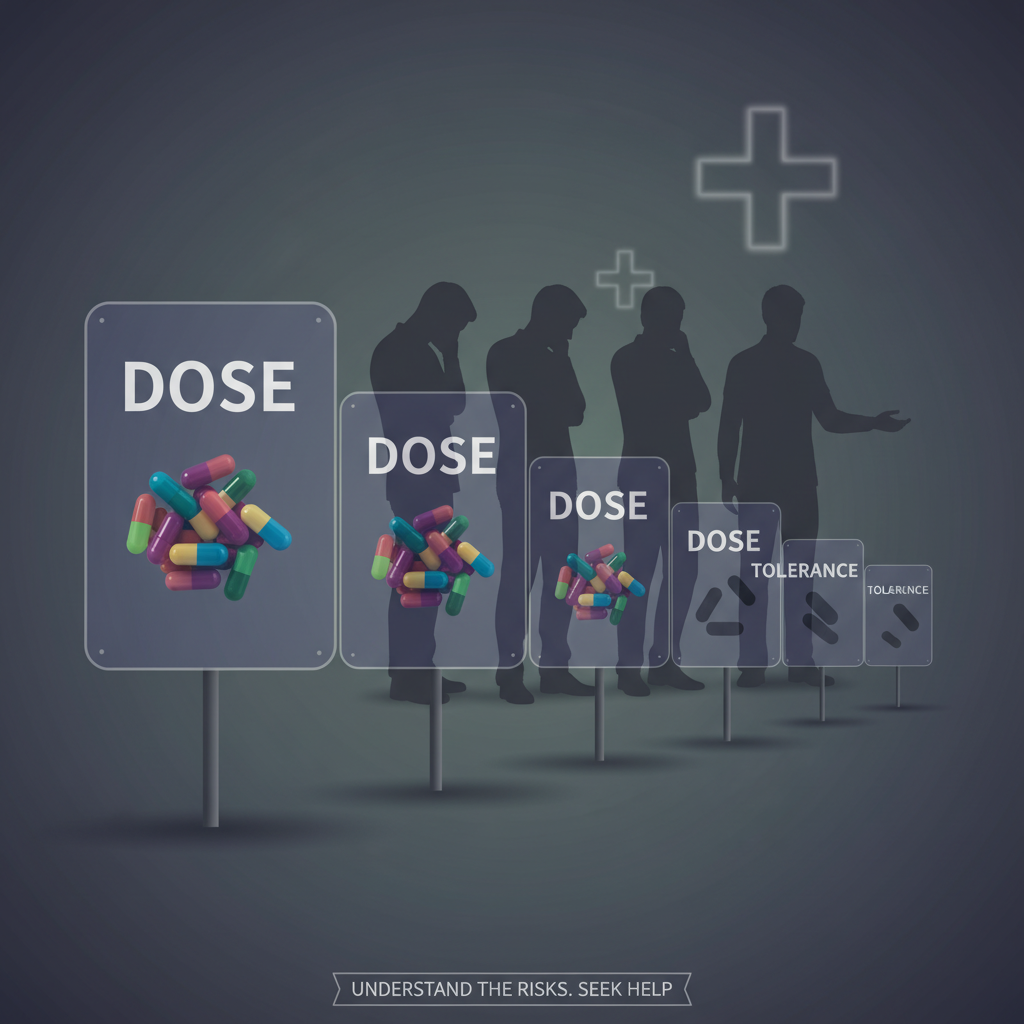
- Needing larger doses to get the same effect, a sign of tolerance that often appears as part of tolerance signs in drug misuse
- Spending increasing amounts of time obtaining, using, and recovering from substances
- Struggling to cut down or stop, even after making firm promises to yourself or others
Medical experts describe this as a loss of control, a hallmark of substance use disorder and a strong indicator that professional help may be needed [1].
Cravings and compulsive focus
Another key behavioral sign is the way substances begin to dominate your thoughts, plans, and priorities. You may:
- Think about drinking or using throughout the day
- Arrange your schedule around times you can use
- Become irritable or restless if you cannot access the substance
- Choose activities primarily based on whether you can drink or use there
This intense mental focus is part of what clinicians call patterns of compulsive substance use. You might still be functioning at work or school, but much of your energy is going into maintaining your use.
Using despite clear negative consequences
Continuing to use even when you clearly see it causing problems is one of the strongest behavioral signs of addiction. According to addiction specialists, ongoing use in the face of serious harm reflects a medical illness, not a moral failing [2].
You may notice that you:
- Keep using after medical warnings or health scares
- Continue to drink or use despite relationship conflict, separation, or job risk
- Return to use following legal issues, accidents, or financial trouble
- Minimize or rationalize these consequences to yourself or others
If you see a clear pattern of harm followed by more use, this is a strong indicator that the addiction is progressing.
Psychological and emotional signs you may notice
Behavioral signs of addiction are closely connected to emotional and psychological changes. Research on both substance and behavioral addictions has identified several common mental health patterns, including anxiety, depression, obsessive thoughts, isolation, and conflict in relationships [3].
You might also want to review the emotional signs of substance use disorder for a deeper look at these changes.
Mood changes and mental health shifts
It is very common to experience shifting or extreme moods as substance use increases. You may notice:
- Irritability, anger, or agitation, especially when you are unable to use
- Periods of depression or hopelessness
- Anxiety or panic, particularly around running out of your substance
- Emotional numbness or disconnection from things you once enjoyed
These emotional shifts can be part of the psychological withdrawal and craving cycle. In behavioral addiction research, symptoms like anxiety, depression, and restlessness are recognized as core warning signs of addiction, even when the addiction is to an activity instead of a substance [3].
Obsession, secrecy, and denial
As addiction develops, many people spend more time hiding, explaining away, or denying their use. According to experts, people with substance use disorder often resist acknowledging the problem and may push back when others express concern [1].
You may recognize:
- Lying or leaving out details about how much you are using
- Hiding bottles, pill containers, or paraphernalia
- Getting defensive or angry when someone asks about your use
- Telling yourself that you can stop anytime, despite failed attempts
These patterns often go hand in hand with what families may recognize as hidden signs of addiction and addiction red flags families should watch for.
Isolation, conflict, and behavior that harms others
Addiction often pulls you away from supportive people and toward situations that make it easier to keep using. At the same time, behavior may become more unpredictable or hurtful.
Research on addict behavior notes that people may act abusively, verbally or physically, as they struggle within a distorted reality where they perceive threats or criticism that are not truly there [2]. You may:
- Withdraw from family, friends, or activities you once enjoyed
- Spend more time with people who use in similar ways
- Argue more often about money, time, or responsibilities
- Break promises, miss important events, or abandon commitments
If you notice growing conflict with those closest to you, along with increasing substance use, this combination is a very concerning sign.
Physical and behavioral signs together
Physical changes are often what family members notice first. When these appear alongside clear behavioral signs of addiction, the risk level is higher.
Medical guidance describes physical signs such as withdrawal symptoms when stopping use, changes in sleep, and restlessness as common indicators of dependence [1]. Behavioral addiction research adds that physical and mental restlessness, changes in sleep, and other bodily discomforts can also show up when a person tries to cut back on an addictive behavior [3].
For a more focused overview of what to look for, you can explore the physical signs of drug dependency.
Substance‑specific behavioral signs to watch
While many warning signs overlap, each substance tends to show a particular pattern. Understanding these can help you identify risk sooner and connect to more targeted resources.
Opioids, heroin, fentanyl, and painkillers
Opioid addictions, including heroin, fentanyl, and prescription pain medications, often develop quietly after injury or surgery. Over time, the behavior around these drugs can become very concerning.
Typical behavioral signs include:
- Using higher doses than prescribed or taking medications more often
- “Doctor shopping” or visiting multiple providers to get extra prescriptions
- Borrowing or taking pills from friends or family
- Spending significant time and money obtaining pills or street opioids
- Neglecting work, school, or family responsibilities in order to use or recover
- Continued use despite overdose, severe drowsiness, or clear health warnings
You can learn more about specific patterns through resources such as signs of opioid addiction, signs of painkiller addiction, signs of heroin dependence, and signs of fentanyl use.
Benzodiazepines and sedatives
Benzodiazepines, often prescribed for anxiety or sleep, carry a risk of dependence. The signs of benzo dependence can appear gradually.
Behavioral warning signs can include:
- Taking more than the prescribed dose or using without a prescription
- Using benzos to cope with everyday stress rather than short‑term situations
- Combining with alcohol or opioids to intensify the effect, which is particularly dangerous
- Memory gaps, missed appointments, or forgetting conversations
- Becoming anxious or panicked at the thought of running out of medication
Because benzodiazepine withdrawal can be medically serious, it is important not to stop suddenly on your own. A supervised plan is often necessary.
Stimulants, methamphetamine, and cocaine
Stimulants such as prescription ADHD medications, methamphetamine, and cocaine typically show a pattern of intense bursts of use followed by crashes. Behavioral signs can escalate quickly.
You might see:
- Using stimulants to stay awake, work longer, or party for extended periods
- Rapid speech, restlessness, or constant activity while under the influence
- Risky behaviors, such as unsafe driving or unprotected sex, during intoxication
- Long periods without sleep followed by days of exhaustion
- Paranoia, suspiciousness, or aggression, particularly as use increases
More detailed information is available in signs of stimulant addiction, signs of methamphetamine addiction, and signs of cocaine addiction.
Alcohol and prescription medication misuse
Alcohol and prescription medications are legal, which can make it harder to recognize problematic patterns. However, the behavioral signs of addiction are often very similar to those for illegal substances.
Common indicators include:
- Drinking or taking medication to cope with stress, sleep, or emotions
- Needing more to feel the same effect, a key tolerance sign in drug misuse
- Drinking or using alone or at inappropriate times, such as in the morning or at work
- Driving under the influence or engaging in other clearly dangerous substance use patterns
- Hiding bottles or pill containers and minimizing how much you use
You can explore signs of prescription pill addiction if you are concerned about non‑medical or escalating pill use.
Marijuana and kratom
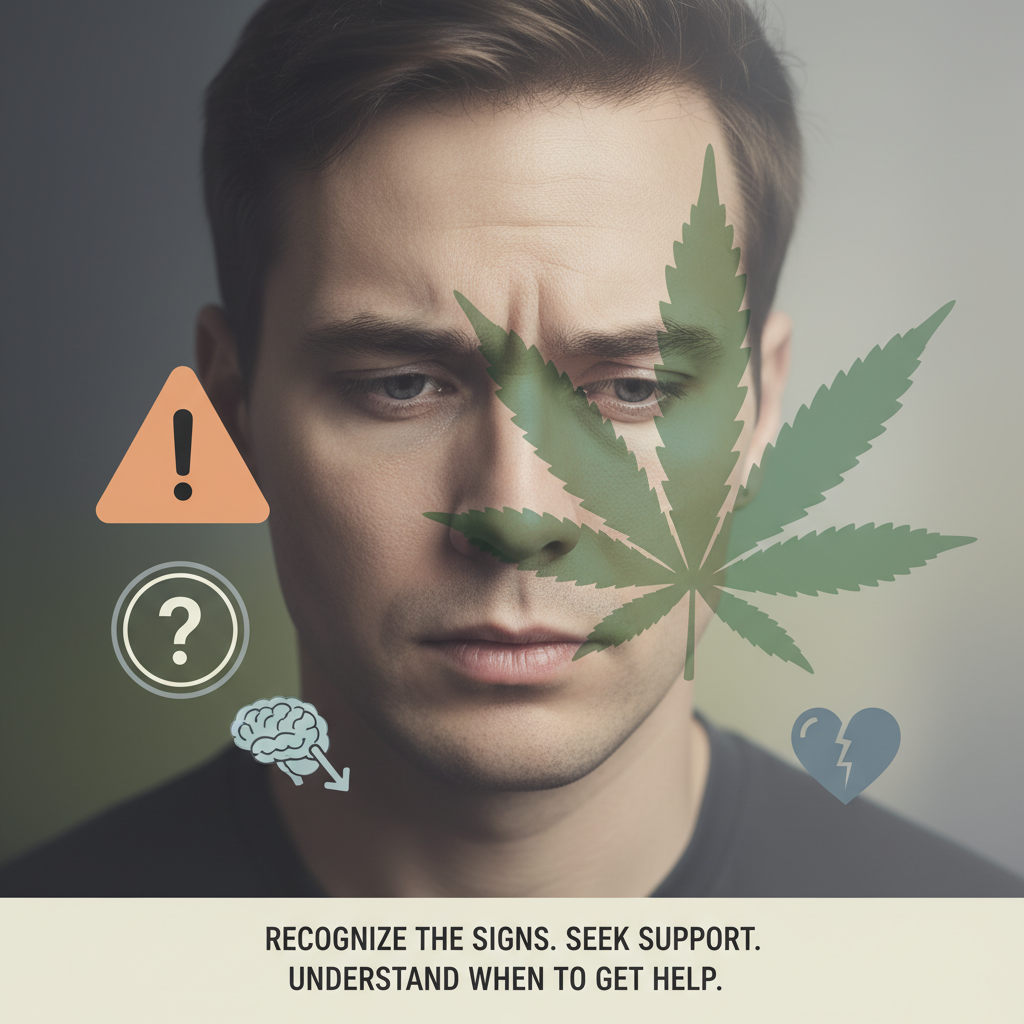
Although some people view marijuana and kratom as “natural” or safer, both can lead to dependence and addiction. Behavioral addictions research highlights that cravings, loss of control, and withdrawal are just as relevant when you are hooked on the feeling or effect, not just on a substance [3].
Signs of marijuana or kratom addiction can include:
- Using daily or multiple times a day, even when you planned not to
- Organizing your day around when you can use
- Irritability, restlessness, or sleep problems when you do not use
- Continued use despite work, school, or relationship problems linked to use
- Needing more to get the same level of relaxation or high
For more detail on these patterns, see signs of marijuana dependence and signs of kratom addiction.
Polysubstance use and high‑risk behaviors
Many people do not use just one substance. Mixing drugs or combining them with alcohol, known as polysubstance use, significantly increases both immediate and long‑term risks.
You may notice:
- Regularly mixing alcohol with prescribed or street drugs
- Switching substances to “come down” or “take the edge off” another drug
- Using whatever is most available instead of sticking to one substance
- Blackouts, overdoses, or severe withdrawal symptoms when trying to stop
These patterns are addressed more fully in signs of polysubstance addiction and high risk addiction behaviors. Any sign that you are losing track of how much you have taken or are repeatedly putting yourself in dangerous situations is a strong signal that professional help is needed.
When substance use leads to ongoing conflict, loss of control, and continued use despite serious consequences, you are likely dealing with more than just “bad habits.” You are seeing the behavioral footprint of addiction, which is a treatable medical condition.
When signs mean addiction is getting worse
Not every concerning behavior means a full substance use disorder is present. However, some patterns clearly indicate progression and increasing danger.
You should pay close attention if you see:
- Shorter time between episodes of use
- Increasing doses, more potent drugs, or new methods of use
- More frequent cravings and difficulty going even a day without using
- Escalating secrecy, lying, or hiding use
- More intense withdrawal symptoms or physical distress when you cut back
These are strong escalating substance use indicators and often align with the signs addiction is getting worse. At this stage, it typically becomes harder to stop without structured support.
Recognizing psychological dependence
In some cases, the most obvious problem is not how often you use, but how much you feel that you need the substance to function. This is called psychological dependence, and it is a major aspect of addiction.
You may:
- Believe you cannot relax, sleep, socialize, or be creative without using
- Feel intense anxiety or emptiness when you try to stop, even if physical withdrawal is mild
- Spend a lot of time thinking about using or planning your next use
- Keep returning to use after short periods of sobriety
If this sounds familiar, you may find it helpful to explore recognizing psychological dependence. Even in the absence of severe physical symptoms, this level of dependence usually benefits from professional treatment.
When to seek professional help
Knowing when to move from concern to action is not always simple. However, there are clear situations in which it is important to seek professional support as soon as possible.
You should reach out for help if:
- You recognize several of the behavioral signs of addiction described here
- You have tried to cut back or quit and have not been able to stay stopped
- Your use has led to health issues, legal problems, or serious relationship conflict
- You experience withdrawal symptoms when you reduce or stop use
- Friends, family, or coworkers express growing concern about your behavior
Experts emphasize that once addiction develops, the risk of relapse and loss of control remains high, even after periods of abstinence [1], especially in cases of opioid-addiction. This is why treatment is so important. You do not have to wait until you “hit bottom” to get help. In fact, earlier support can prevent some of the most severe consequences.
If you are supporting a loved one, it is also essential to protect your own well-being. Guidance for families stresses the importance of setting clear, consistent boundaries and avoiding enabling behavior, rather than trying to single-handedly change the addicted person [2]. Taking care of yourself is a key part of responding in a healthy way, especially when navigating challenges related to drug use and recovery.
For additional perspective on next steps, you can review signs someone needs addiction treatment.
Taking the next step
If you see yourself or someone close to you in these behavioral signs of addiction, you are not alone and you are not beyond help. Addiction is a chronic, treatable condition, not a personal failure. Recognizing the problem early is one of the most powerful things you can do to change the trajectory.
Your next step might be as simple as:
- Talking honestly with your primary care provider or a mental health professional
- Reaching out to a trusted friend or family member and sharing your concerns
- Exploring local or online support groups
- Learning more about specific substances you are concerned about, such as signs of prescription pill addiction or signs of opioid addiction
Every sign you recognize is an opportunity to choose a different path. With information, support, and evidence‑based treatment, recovery is possible, and many people go on to build lives that are healthier and more fulfilling than they imagined while they were struggling.