
Why physical signs of drug dependency matter
When you think about addiction, you might first think of behavior, like lying about use or missing responsibilities. Yet the physical signs of drug dependency often appear earlier and can be easier to notice. Learning how to recognize these changes in your own body or in someone you care about can help you act sooner and reduce the risk of serious harm.
Physical signs of drug dependency develop as substances change your brain and body over time. Repeated use alters the brain’s reward system and the way nerve cells communicate, which is why you may start needing more of a drug to feel the same effect and feel physically sick when you try to stop [1]. These are not just bad habits. They are medical warning signs that your body is becoming dependent and that it may be time to consider help.
How dependency develops in your body
Physical dependence is not a personal failing. It is a predictable biological process that often follows repeated, escalating use.
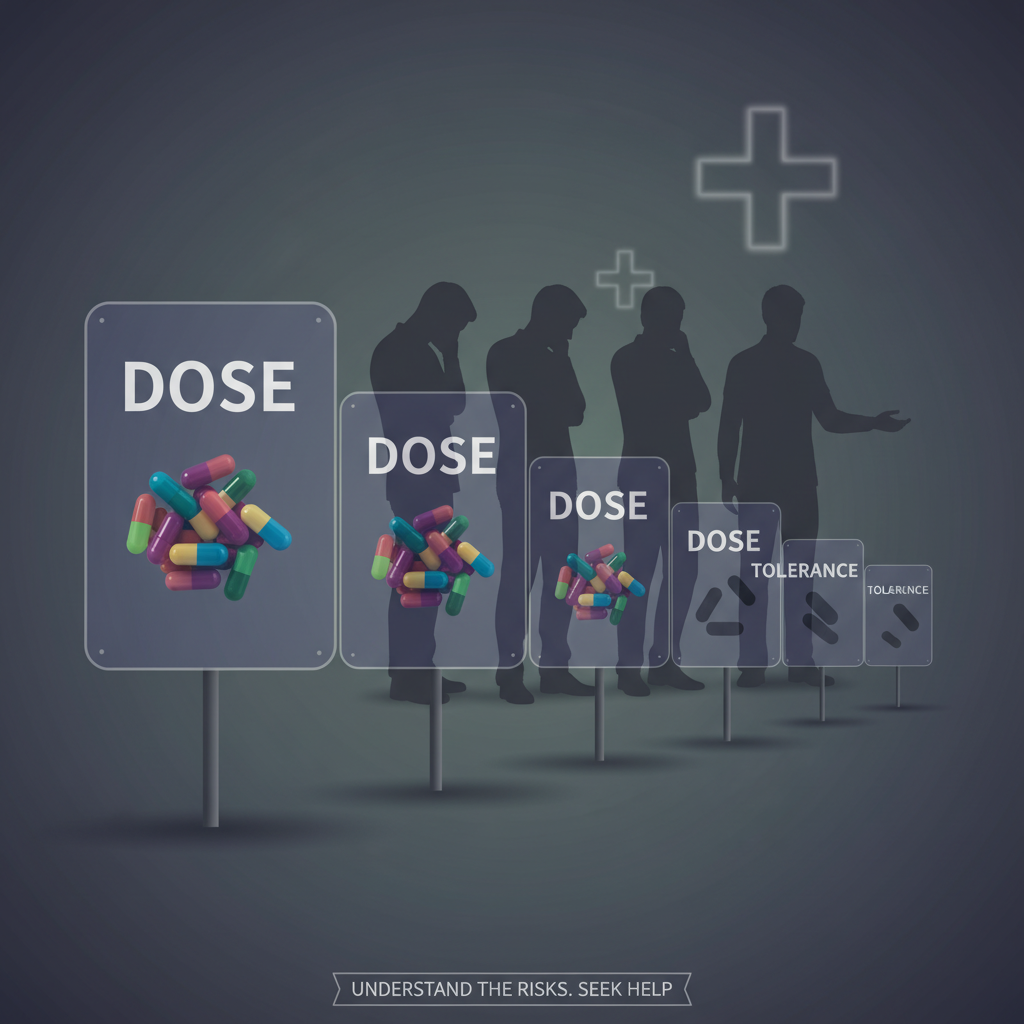
Tolerance and needing more to feel “normal”
One of the earliest physical signs of drug dependency is tolerance. This means you need larger or more frequent doses of a substance to get the same high, calming effect, or pain relief you used to feel with less [1].
You might notice that:
- A drink or two no longer relaxes you, so you regularly drink more.
- Your prescription pills no longer touch your pain or anxiety at the same dose.
- Weed that used to make you feel high now just makes you feel “normal,” so you smoke or vape more.
Over time your brain adapts to the constant presence of the substance. The drug becomes part of your body’s “new normal,” which sets the stage for withdrawal.
For more detail on this process, you can explore tolerance signs in drug misuse and escalating substance use indicators.
Withdrawal and feeling sick when you stop
Withdrawal is another crucial physical sign of drug dependency. If your body is used to a certain level of a substance and that level drops, your brain and nervous system react. You may feel physically ill if you cut back or miss a dose [1].
Depending on the drug, withdrawal may include:
- Nausea, vomiting, or diarrhea
- Sweating, chills, goosebumps
- Shaking or tremors
- Headaches or body aches
- Extreme fatigue or insomnia
- Racing heart or changes in blood pressure
For some substances, like alcohol, benzodiazepines, and opioids, withdrawal can be dangerous or even life threatening if you stop suddenly. These symptoms are strong signs that your body is dependent and that you should not attempt to detox alone.
General physical signs of drug dependency across substances
While each drug has its own specific effects, there are several broad physical signs that often show up regardless of the substance used. You may notice these in yourself or in someone close to you.
Changes in appearance and hygiene
Long term substance use often leads to visible changes in how you look and care for yourself. Over time addictive substances can produce persistent physical signs such as changes in appearance and health deterioration that may indicate drug dependency [1].
You might notice:
- Weight loss or weight gain without another clear reason
- Bloodshot or glassy eyes, or pupils that are very small or very large
- Unusual body odor, bad breath, or poor personal hygiene
- Neglected grooming, such as unwashed hair, unshaved face, or wearing the same clothes repeatedly
These shifts often go hand in hand with fatigue, poor sleep, and changes in appetite.
Coordination, speech, and motor changes
Signs and symptoms of recent use vary by drug type, but many substances affect your coordination and physical functioning [1]. You may notice:
- Slurred or slow speech
- Unsteady walking or frequent stumbling
- Difficulty focusing your eyes or keeping your balance
- Restlessness, fidgeting, or unusual bursts of energy
If these changes appear regularly, especially at certain times of day, they can be important clues.
Sleep and energy disturbances
Drug dependency often disrupts your natural sleep-wake cycle. Depending on what you use, you may:
- Stay up much later than usual or not sleep for long stretches
- Sleep excessively during the day
- Wake up feeling unrefreshed, even after a full night
- Swing between extreme fatigue and high energy
Over time this irregular pattern leaves your body depleted and more vulnerable to illness and mental health symptoms.
If you want to understand how these physical changes connect with other warning signs, you can review behavioral signs of addiction and emotional signs of substance use disorder.
Substance specific physical signs you should watch for
Different drugs affect your body in different ways. Learning the physical signs of dependency for common substances can help you identify patterns more clearly.
Opioids, heroin, fentanyl, and painkillers
Opioids include prescription painkillers, heroin, and synthetic drugs like fentanyl. Long term use can produce persistent physical and behavioral changes that signal dependency [1].
Typical physical signs include:
- Pinpoint pupils that barely respond to light
- Droopy eyelids and a “nodding off” pattern, where you drift in and out of wakefulness
- Itching and frequent scratching
- Slowed breathing and heart rate
- Constipation and stomach issues
- Needle marks or bruising on arms, hands, legs, or other injection sites
You may also notice that you feel “normal” only after taking opioids and feel flu like or extremely uncomfortable when you do not. That can mean you are moving from misuse toward dependency.
If you are worried about these patterns, you can learn more in the resources on signs of opioid addiction, signs of heroin dependence, signs of fentanyl use, and signs of painkiller addiction.
Alcohol
Alcohol is legal and widely accepted, which can make it harder to recognize when physical dependency has developed. Yet chronic heavy drinking gradually changes your brain and body and can lead to serious withdrawal symptoms when you reduce or stop use [1].
Common physical signs of alcohol dependency include:
- Needing alcohol in the morning or to avoid shaking
- Hand tremors, especially upon waking
- Redness in the face, especially on the nose and cheeks
- Broken blood vessels on the face
- Stomach pain, nausea, or vomiting, especially after drinking
- Poor balance and slowed reflexes, even when you do not feel very drunk
Severe withdrawal from alcohol can involve seizures, hallucinations, or delirium and always requires medical care.
Benzodiazepines and sedative medications
Benzodiazepines, such as Xanax, Ativan, Valium, and similar sedatives, can cause strong physical dependence, especially if you use them regularly or at high doses. Withdrawal from benzos can be dangerous without medical support.
Physical signs of benzo dependency may include:
- Drowsiness or feeling “foggy” much of the time
- Slurred speech or difficulty finding words
- Unsteady walking and poor coordination
- Muscle weakness or feeling heavy limbed
- Headaches and dizziness, especially between doses
- Rebound anxiety, insomnia, or agitation when you try to cut back
If you want a more detailed breakdown, you can read about the signs of benzo dependence and how they might show up day to day.
Stimulants: cocaine, meth, and ADHD medications
Stimulants speed up your central nervous system. They include illegal drugs like cocaine and methamphetamine, as well as prescribed medications for ADHD and some weight loss drugs. With ongoing use, your body can develop tolerance and dependency, leading to clear physical signs.
Notice if you see:
- Dilated pupils and a wide eyed look
- Rapid heart rate and increased blood pressure
- Rapid, pressured speech and constant movement
- Jaw clenching, teeth grinding, or lip chewing
- Decreased appetite and significant weight loss
- Nosebleeds or chronic sniffing if snorted
- Sores on the skin from picking or scratching, especially with meth
After stimulant use, you may “crash” and feel exhausted, depressed, or unable to get out of bed. That crash can become more severe as use continues.
You can learn more about these patterns in the guides on signs of stimulant addiction, signs of methamphetamine addiction, and signs of cocaine addiction.
Prescription pills and polysubstance use
Prescription pills, such as painkillers, sleep medications, and anti anxiety drugs, are often seen as safer because they come from a doctor. Yet they carry real risks of dependency, especially when you mix them or take them differently than prescribed.
Physical signs may include:
- Sedation or extreme drowsiness, especially when mixing pills
- Irregular breathing patterns
- Confusion, slowed thinking, or memory problems
- Unexplained falls or minor accidents
- Frequent “flu like” symptoms that coincide with running low on medication
If you are taking more than one substance, such as alcohol plus pills or multiple drug classes, your risk of overdose and severe withdrawal goes up. This pattern is sometimes called polysubstance use.
You can explore more detailed warning signs in the resources on signs of prescription pill addiction, signs of polysubstance addiction, and patterns of compulsive substance use.
Marijuana
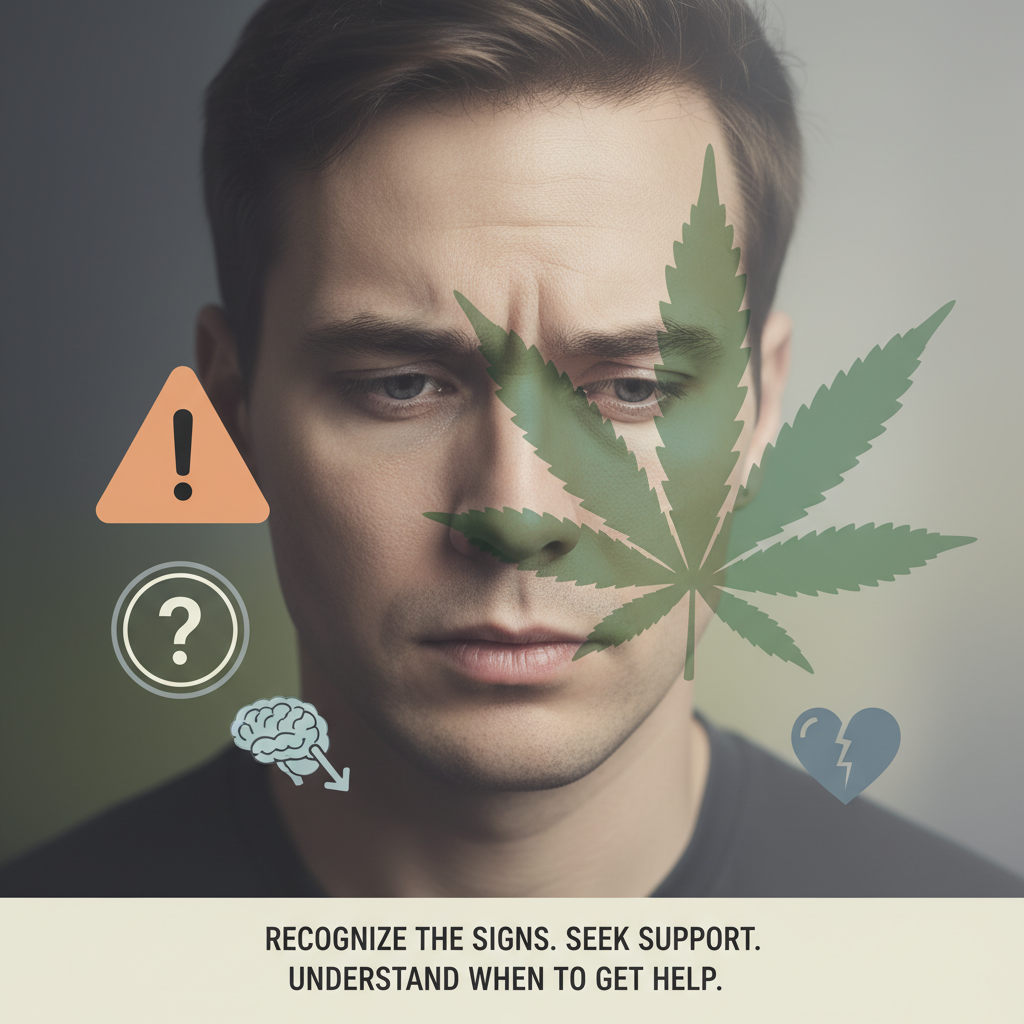
Many people see marijuana as harmless, but long term heavy use can still lead to dependency and withdrawal. Over time you may notice physical and cognitive changes that affect your daily life [1].
Physical signs of marijuana dependence can include:
- Chronic cough or bronchitis like symptoms from smoking
- Red or glassy eyes
- Increased appetite during or after use
- Slowed reaction time and coordination problems
- Lethargy, low motivation, and difficulty starting tasks
When dependent, you may feel irritable, have trouble sleeping, or experience decreased appetite when you try to cut back or stop.
For a deeper look at these warning signs, you can review the guide on signs of marijuana dependence.
Kratom
Kratom is a plant based substance that some people use for pain or to manage opioid withdrawal. However, kratom itself can be addictive and can produce physical dependency with ongoing use.
You may notice:
- Nausea, constipation, or stomach upset
- Sweating, itching, or flushed skin
- Tremors or muscle aches
- Nasal congestion or frequent runny nose
- Withdrawal like symptoms such as chills, restlessness, and insomnia when you stop
Because kratom is often marketed as “natural,” it can be easy to underestimate its risks. The resource on signs of kratom addiction can help you understand what to look for more specifically.
Physical signs versus behavioral and emotional red flags
Physical signs rarely appear in isolation. They often show up alongside behavioral and emotional changes that tell the full story of dependency.
Some examples include:
- Physical signs like weight loss and poor sleep, combined with secrecy and lying about use
- Noticeable tremors or nodding off, along with irritability when you cannot use
- Frequent illnesses or injuries, paired with growing isolation and loss of interest in activities
If you recognize some of these patterns, you may want to explore related resources on addiction red flags families should watch for, hidden signs of addiction, and high risk addiction behaviors.
Physical signs matter because they are your body’s way of signaling that a pattern of use has moved beyond “recreational” and into a level that can seriously affect your health and safety.
Understanding how physical symptoms connect with recognizing psychological dependence can also give you a more complete picture of what is happening and what kind of help you may need.
When physical signs signal an emergency
Not every symptom means you are in immediate danger, but some physical signs require urgent medical attention. Call emergency services or go to the nearest emergency room right away if you or someone else has:
- Trouble breathing or very slow, shallow breathing
- Unresponsiveness, extreme confusion, or inability to stay awake
- Seizures
- Chest pain, tightness, or a racing heartbeat combined with chest discomfort
- Very high body temperature, hot or dry skin, or severe agitation
- Sudden severe headache with confusion or vision changes
These can indicate overdose or life threatening withdrawal that should be treated as medical emergencies, not situations to “sleep off” at home.
How to respond if you see these signs in yourself
If you recognize physical signs of drug dependency in your own body, you have already taken a powerful first step: you are noticing and questioning. You do not have to wait until you hit a dramatic “bottom” to seek help.
Consider these next steps:
- Be honest with yourself about your patterns.
Look at how often you use, how much you use, and what happens when you try to cut back. Noticing cravings, tolerance, and withdrawal are strong indicators that you are dealing with more than casual use. - Talk with a medical or addiction professional.
A doctor, nurse practitioner, or addiction specialist can assess your symptoms and help you decide on a safe plan. This is especially important if you use alcohol, benzos, or opioids, since withdrawal from these substances can be dangerous [1]. - Do not abruptly stop certain substances on your own.
Sudden detox from alcohol, benzodiazepines, and some other drugs can lead to seizures and other medical emergencies. Medically supervised detox can keep you safer and more comfortable. - Look at the bigger pattern.
If physical signs are appearing alongside growing cravings, loss of control, and continued use despite harm, these are key signs addiction is getting worse and that you may benefit from structured support.
You can also use the guide on signs someone needs addiction treatment to help you decide whether it is time to explore formal care.
How to respond if you see these signs in someone else
If you are noticing physical signs of dependency in a loved one, you may feel scared, frustrated, or unsure what to do. While you cannot force someone to change, your response can still make a difference.
You might:
- Document what you are seeing.
Note specific physical signs, such as tremors, unexplained bruises, changes in weight, or repeated illnesses. This can help you see patterns more clearly and talk about them later. - Start a calm, nonjudgmental conversation.
Share what you observe using “I” statements. For example, “I have noticed you seem shaky in the mornings and that worries me,” instead of accusations. - Focus on health and safety.
Emphasize your concern about their well being, not their morality or willpower. Addiction changes the brain, and continued use despite harm is one of the clearest indicators of dependency [1]. - Encourage professional help.
Offer to help them find information, schedule an appointment, or attend a consultation. You do not need to have all the answers before reaching out.
Resources like dangerous substance use patterns and addiction red flags families should watch for can give you more guidance on what to look for and how to respond.
Moving from awareness to action
Recognizing the physical signs of drug dependency is not about labeling yourself or someone else. It is about using clear medical and behavioral information to guide safer decisions. Tolerance, withdrawal, and visible changes in appearance and health are your body’s way of signaling that it is time to pay attention.
If you see these warning signs in yourself, you do not have to navigate them alone. Support can range from medical detox and residential care to outpatient counseling and recovery groups. The key is to respond early, take physical symptoms seriously, and use them as motivation to seek the level of care you need.
If you are seeing these signs in someone else, your steady, informed presence can help them feel less alone and more willing to consider help. You can continue learning about related warning signs in resources such as hidden signs of addiction and high risk addiction behaviors, and you can encourage them to speak with a professional who understands both the physical and emotional sides of substance use.
Paying attention to what your body is telling you is not a weakness. It is one of the strongest steps you can take toward protecting your health and opening the door to recovery.