
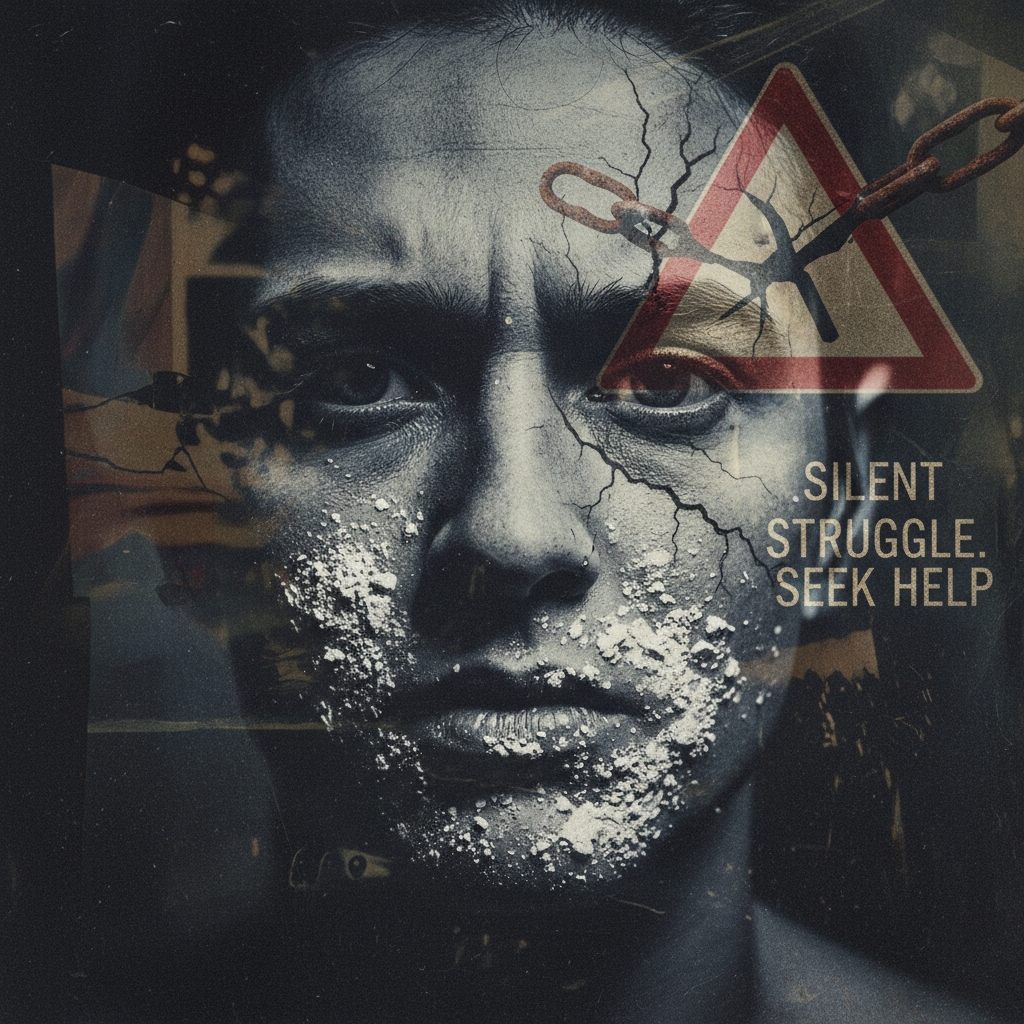
Why recognizing signs of cocaine addiction is so hard
When you think about the signs of cocaine addiction, you might picture extreme behavior in movies or on the news. In reality, the early warning signs often look subtle, or they can be explained away as “stress,” “personality,” or a “party phase.” That makes it easy for you, or someone you care about, to stay in denial much longer than is safe.
Cocaine is a powerful stimulant. At first, it can make you feel energized, social, and confident. Over time, it can also change your mood, thinking, and physical health in ways that are hard to ignore. Understanding the real, research‑backed signs of cocaine addiction can help you decide when casual use has crossed into something that needs professional care.
You might also notice similar patterns in other substances. If you are comparing cocaine to other drugs, resources like signs of stimulant addiction, signs of methamphetamine addiction, or signs of polysubstance addiction can offer additional context.
How cocaine use turns into addiction
You do not go from first use to full addiction overnight. Cocaine addiction typically develops in stages, even if those stages move quickly.
From “fun” to dependence
Early on, cocaine may seem like a way to stay awake, feel more confident, or escape uncomfortable emotions. You might start using in specific situations, like parties or weekends. Over time, several changes signal that something deeper is happening:
- Your brain begins to associate cocaine with relief, motivation, or feeling “normal”
- You need more cocaine than before to feel the same effects
- You become more preoccupied with when and how you will use again
This pattern, known as tolerance and psychological dependence, is a core feature of addiction. Cocaine dependence involves compulsive use, withdrawal symptoms such as fatigue, agitation, and depression, and continued use despite clear negative consequences, as described in clinical criteria for substance use disorders [1].
Why the crash gets worse over time
Cocaine works quickly, but it also wears off fast. At first, the “crash” might just feel like being worn out. With ongoing use, the comedown often becomes more intense and disruptive:
- You feel drained, mentally and physically
- You experience agitation, depression, or hopelessness
- You struggle to think clearly or make safe decisions
Texas Health Resources notes that as cocaine use escalates from occasional to dependent, the high becomes less intense while the psychological crash becomes more severe and can heavily impact judgment and safety [2].
If you recognize these patterns, it is worth exploring broader behavioral signs of addiction and tolerance signs in drug misuse.
Physical signs of cocaine addiction you might notice
Cocaine’s stimulant effect touches almost every system in your body. While some physical signs can be mistaken for anxiety or being “wired,” together they can paint a clearer picture of problem use.
Short term physical effects
According to Texas Health Resources, one of the early physical signs of cocaine use is noticeable restlessness or fidgeting as the stimulant effects kick in [2]. You or someone you care about may:
- Pace, tap feet, or seem unable to sit still
- Talk rapidly, with pressured or nonstop speech
- Have dilated pupils and appear unusually alert
Roaring Brook Recovery notes that short term effects can include increased energy and alertness, but they may quickly tip into more dangerous symptoms such as paranoia, panic attacks, and even hallucinations, followed by intense fatigue, depression, and agitation as the drug wears off [3].
Ongoing physical changes
With regular use, more persistent physical signs often emerge. These can vary based on how cocaine is used, but might include:
- Weight loss and decreased appetite
- Chronic runny or bleeding nose if snorted
- Sore throat or chronic cough if smoked
- Insomnia or severely disrupted sleep
- Headaches, chest pain, or heart palpitations
If you are trying to sort out what is happening in your body, a broader look at physical signs of drug dependency can help you compare patterns across substances.
Serious health risks of long term use
Cocaine addiction carries serious medical risks, many of which can be permanent if use continues. The Addiction Center notes that long term cocaine abuse can harm the brain, lungs, heart, kidneys, and digestive system, and can dramatically raise the risk of heart attack, stroke, and organ failure, especially at high doses [4].
Roaring Brook Recovery emphasizes that long term cocaine addiction involves both physical and psychological dependence, and that some health damage may become permanent if use does not stop [3].
These are not “future problems” for someone else. If you are already noticing chest discomfort, breathing issues, or unexplained neurologic symptoms, that is a strong warning that you need medical evaluation and help now.
Behavioral and mood changes that signal cocaine problems
In many cases, people around you notice behavior and mood changes before they understand that cocaine is involved. These psychological and behavioral indicators often show up even when you feel you are “managing” your use.
Noticeable shifts in energy and behavior
The Addiction Center highlights common behavioral signs of cocaine use, including:
- Sudden bursts of energy or activity
- Being overly talkative or loud
- Excitable, “amped up” mood
- Sexualized or riskier behavior than usual
- Erratic and reckless actions
- Irrational or disorganized thoughts
- Potential for aggression or violent behavior [4]
These swings can be confusing. You might feel like you are simply more “confident” or “driven,” especially early on. Over time, though, the extremes in your behavior may scare you or those close to you.
If this resonates, it can help to read more about emotional signs of substance use disorder and how they show up day to day.
Mood swings and emotional distance
Texas Health Resources notes that a common sign of cocaine use is dramatic mood shifts, where someone seems extremely “up” at one moment and then appears agitated or emotionally distant the next [2]. You might notice:
- Irritability and impatience with small frustrations
- Restlessness and inability to relax
- Pulling away from family and old friends
- Defensiveness if anyone asks about changes in your behavior
These patterns overlap with other substances as well. If you are unsure what is driving your symptoms, resources on hidden signs of addiction and addiction red flags families should watch for may offer more insight.
Paranoia, psychosis, and violence
Cocaine can severely impact your thinking and perception, especially as use escalates. Research reviewed by the National Library of Medicine reports that:
- Paranoia occurs in 68% to 84% of people using cocaine and can last from hours to weeks
- Psychotic symptoms, including hallucinations and delusions, affect 29% to 53% of users, with even higher rates among crack cocaine users
- Cocaine related violence is reported in up to 55% of patients with cocaine induced psychiatric symptoms, and survey data shows many users reporting or committing violent acts, often to obtain crack cocaine [1]
These symptoms are not just “being high.” They are signs that the drug is deeply affecting your brain and safety. If you are experiencing paranoia, hallucinations, or uncontrollable aggression, you are in a high risk category and need immediate help.
When casual use crosses into addiction
You may still be asking yourself whether what you see is “just partying” or a real addiction. Looking at the bigger pattern can help you answer that question more honestly.
Compulsive use despite consequences
Cocaine addiction is often defined less by how often you use and more by what happens around your use. According to both the National Library of Medicine and the Addiction Center, addiction involves:
- Needing more cocaine for the same effect (tolerance)
- Withdrawal symptoms like fatigue, agitation, or depression when not using
- Compulsive use despite serious problems in relationships, work, or health
- Using even when you fully understand the risks and past harms [5]
If you recognize a pattern of continuing cocaine use even after panic attacks, financial strain, or relationship damage, you are likely past the point of “recreational.”
You can compare these patterns to other substances through resources like patterns of compulsive substance use or escalating substance use indicators.
Psychological dependence and cravings
Many people expect to see intense physical withdrawal symptoms when a drug is truly addictive. Cocaine is different. The Addiction Center notes that cocaine withdrawal is primarily psychological rather than physical, with symptoms such as:
- Strong cravings
- Depression or “emotional crash”
- Fatigue and lack of motivation
- Sleep and appetite changes [4]
These symptoms can still be powerful and are part of why quitting on your own feels so difficult.
If you want to better understand this aspect of addiction, looking at recognizing psychological dependence can offer additional clarity.
Denial and minimizing
Denial is often one of the clearest signs that cocaine use has become a problem. Texas Health Resources notes that denial of cocaine use is very common and recommends that loved ones stay calm, document their concerns, and consider consulting an addiction professional for guidance on safe intervention [2].
Common forms of denial include:
- Comparing your use to others who seem “worse”
- Blaming stress, relationships, or your job for outbursts or binges
- Insisting you can stop “any time,” even if you have tried and struggled
If you catch yourself doing this, you are not alone, but it is also a signal that it may be time to look honestly at signs addiction is getting worse and whether your patterns match up.
When signs of cocaine addiction become dangerous
All cocaine use carries risk. However, some markers indicate that your situation is rapidly becoming more dangerous and needs urgent attention.
High risk patterns and behaviors
Warning signs that your cocaine use is becoming acutely risky include:
- Using larger or more frequent doses to chase the same high
- Combining cocaine with alcohol, opioids, or benzodiazepines
- Driving, working, or caring for children while under the influence
- Experiencing blackouts or gaps in memory
- Using alone in isolated places
Resources on high risk addiction behaviors and dangerous substance use patterns can help you identify these behaviors more clearly.
These patterns dramatically increase the risk of overdose, accidents, legal problems, and sudden health emergencies such as heart attack or stroke.
Suicidal thoughts and severe depression
Cocaine use is associated with depression and suicidal behavior. Research from New York City has found cocaine in 18% to 22% of suicide cases, often linked to cocaine induced depression or underlying psychiatric disorders [1].
If you notice:
- Intense hopelessness after using
- Persistent thoughts that life is not worth living
- Impulsive, self destructive behaviors
you are not just dealing with a “crash.” This is an emergency that calls for immediate professional help, ideally from a mental health or addiction specialist.
Aggression and out of control behavior
Violence related to cocaine use is common. The National Library of Medicine reports that up to 55% of patients with cocaine induced psychiatric symptoms display violent behaviors, and many users report engaging in violent acts, particularly to obtain crack cocaine [1].
If you find yourself:
- Getting into fights you do not remember clearly
- Scaring the people you care about
- Taking risks you would never consider while sober
your cocaine use has already crossed into a very dangerous zone. This is not a sign of weakness, it is a sign that your brain is under the influence of a powerful substance and needs help.
Why stopping on your own is so difficult
You might feel frustrated if you have tried to stop using cocaine on your own and found yourself sliding back. This is a common experience and it does not mean you lack willpower.
Triggers and psychological pull
Roaring Brook Recovery notes that effective treatment for cocaine addiction focuses heavily on identifying psychological triggers for drug use and building healthier coping skills, which reflects how much of this addiction is driven by psychology rather than physical withdrawal alone [3].
Common triggers include:
- Stress, conflict, or emotional pain
- Boredom or feeling flat without the drug
- Social situations connected to past use
- Places, music, or people linked with cocaine
Working through these triggers usually requires more than just “deciding to quit.” It often calls for structured therapy and support.
Comparing cocaine to other substances
You might also use cocaine alongside alcohol, opioids, or prescription medications. Each substance carries its own signs and risks, and they can compound each other.
Learning about specific patterns such as signs of opioid addiction, signs of heroin dependence, signs of fentanyl use, signs of benzo dependence, or signs of prescription pill addiction can give you a fuller, more honest view if cocaine is part of a larger picture.
You might also find it useful to look at how other drugs show up in your life, such as signs of painkiller addiction, signs of marijuana dependence, or signs of kratom addiction.
What effective cocaine addiction treatment involves
If you see yourself in these descriptions, treatment is not about punishment or shame. It is about giving your brain and body a real chance to recover, with skilled support around you.
Detox, therapy, and aftercare
Texas Health Resources notes that effective treatment for cocaine addiction typically includes:
- Medically supported detox or stabilization to manage early withdrawal and cravings
- Ongoing therapy to address underlying trauma, mental health issues, and thought patterns
- Aftercare planning and support to reduce the risk of relapse and build a stable life in recovery [2]
Roaring Brook Recovery emphasizes personalized treatment plans that combine evidence based therapies, holistic healing, family involvement, and long term aftercare to support lasting sobriety [3].
These same principles are often used across substances, including alcohol, opioids, stimulants, and sedatives. Whether you are dealing with one drug or several, exploring signs someone needs addiction treatment can help you decide if now is the time to reach out.
Choosing a safe moment to seek help
The Addiction Center points out that interventions and conversations about cocaine addiction should happen in safe, calm environments, and that timing matters. If someone is intoxicated, paranoid, or agitated, it may not be the right moment for a serious talk, and emergency services may be necessary instead [4].
If you are seeking help for yourself, consider:
- Talking to a medical or mental health professional you trust
- Reaching out to an addiction specialist or treatment center
- Letting at least one safe person in your life know what is going on
You do not have to wait until you “hit bottom.” Any sign that your cocaine use is affecting your health, safety, or relationships is enough reason to get support.
The hardest step is often admitting that cocaine is no longer something you are choosing, but something that is choosing for you. That moment of honesty can also be the starting point for real change.
Taking your next step
If the signs of cocaine addiction described here feel uncomfortably familiar, you are not imagining things. The restlessness, mood swings, cravings, paranoia, health scares, and relationship strain are all consistent with what research and clinical experience describe.
You do not have to identify with every single sign for your situation to be serious. Even a handful of these warning signals may mean your use is escalating and that your safety is at risk. Looking at broader resources on hidden signs of addiction, signs addiction is getting worse, and signs someone needs addiction treatment can help you confirm what your instincts may already be telling you.
Cocaine addiction is treatable. With the right combination of medical support, therapy, and ongoing care, many people rebuild their health, repair relationships, and create lives that are not driven by the next line or the next high. If you are ready to consider that possibility for yourself, reaching out for help today is a powerful and practical place to start.