California logged 9,028 drug overdose deaths in 2024, according to USAFacts, or 22.9 for every 100,000 residents. Numbers like that hide a quieter problem: many people don’t struggle during treatment, they struggle the week after it. Recovery support California programs are built for that week and the months that follow. Here is what’s available, from meetings and peer coaches to sober housing and aftercare.
Questions Answered in This Article:
- What Are Recovery Support Services California Residents Can Access?
- Do Addiction Support Groups California Offers Actually Work?
- Is Online Recovery Support California Offers Good Enough on Its Own?
- Do You Need Sober Living California Offers After Treatment?
- What Do Aftercare Programs California Centers Provide?

What Are Recovery Support Services California Residents Can Access?
Recovery support services are non-clinical help that keeps people sober during and after treatment. Think case management, peer coaches, meetings, housing leads, and classes for families. In California, the mix comes from county programs, nonprofits, and treatment programs. Many people also manage mental health conditions alongside addiction, called co-occurring disorders, and behavioral health care doesn’t end at discharge either.
Peer Recovery Support California Programs Build on Lived Experience
Peer recovery support is help from trained people with living experience of substance use disorder and recovery. A recovery coach might check in before a tough weekend or walk you into your first meeting. A 2025 systematic review of 27 studies and 12,601 participants found that peer support helps people start and stay engaged in treatment. Treat it as one layer of a recovery centered plan, not a replacement for clinical care.
Do Addiction Support Groups California Offers Actually Work?
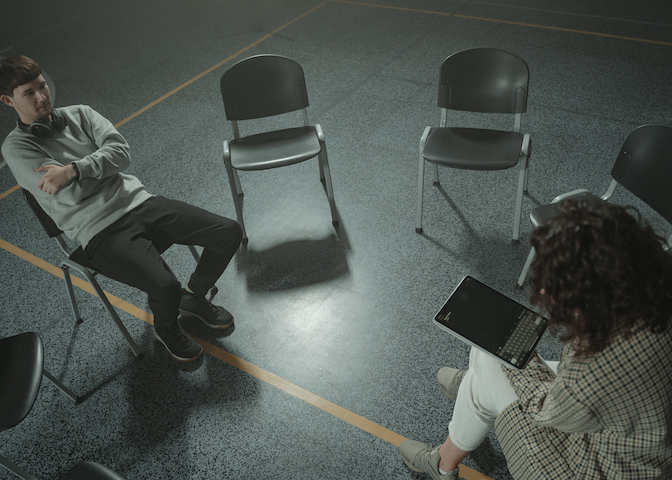
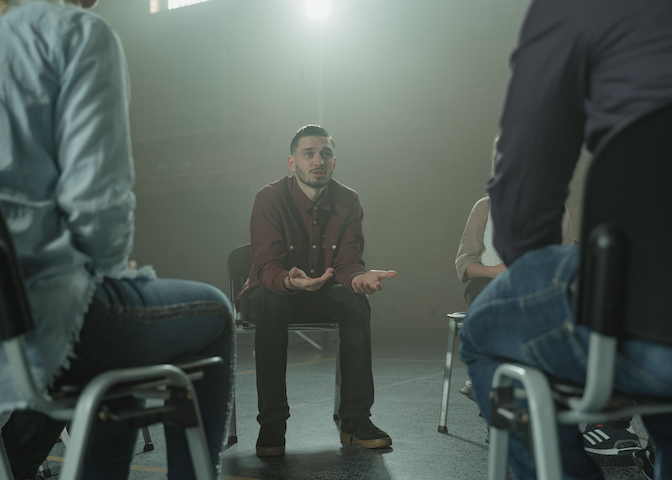
Often, yes. Addiction support groups are regular meetings where people in recovery share what’s working and keep each other accountable. A 2020 Cochrane review of 27 studies and 10,565 participants found that structured 12-step facilitation improved continuous abstinence at 12 months compared with other clinical treatments. California gives you a range: the 12-step program through AA and NA, SMART Recovery, and meetings from Los Angeles to Orange County. Try two or three before deciding, since every room has its own feel. Clinician-led group therapy can add structure to these support networks.
Is Online Recovery Support California Offers Good Enough on Its Own?
Sometimes, it works best as a supplement. Many AA, NA, and SMART Recovery meetings run by video, which helps people in rural counties and shift workers who can’t make a 7 p.m. meeting. Still, in-person care suits anyone who needs a structured supportive routine, hands-on clinical care, or distance from triggers at home. Video simply widens the recovery support California residents can reach.

Do You Need Sober Living California Offers After Treatment?
Not everyone does, but it helps when home would put long-term recovery at risk. Sober living is substance-free shared housing that bridges treatment and independent life. Expect house rules, peer accountability, and meeting attendance. Across Southern California, including Los Angeles and Orange County, sober living homes often tie residents to local meetings and outpatient treatment options. It’s one piece of the wider recovery support California programs provide.
What Do Aftercare Programs California Centers Provide?
Aftercare programs are continuing services once primary addiction treatment ends. They usually include case management, outpatient groups, alumni meetings, and relapse prevention planning, which keeps addiction recovery on track when daily routines return. Windward Way Recovery, a licensed drug and alcohol treatment center in Newport Beach, Orange County, builds that into its post-treatment support: ongoing case management sessions, outpatient groups, and accountability for up to 12 months beyond the core residential program. Graduates also get a weekly alumni meeting, and the family program offers education and referrals to community support. For families seeking recovery support California offers after substance abuse treatment, that continuity is the point.
Frequently Asked Questions
Windward Way’s aftercare guidance suggests at least six months of support group attendance after rehab. Severe addiction may need years. Your clinical team can set a timeline that fits your history, your triggers, and how steady your routine feels.
Yes. Windward Way’s family program can include weekly phone updates from a certified drug and alcohol counselor, addiction education, community referrals, and family therapy by phone, video, or in person after clinical approval. Phone and video sessions are limited to California residents under state licensing.
A case manager coordinates your care, tracks your progress, and speaks up for you with other health providers. Your needs and choices come first, and the plan adjusts as you change. That support helps you stay connected to recovery as treatment gives way to everyday life.
Windward Way Recovery accepts most private insurance and offers a variety of payment options, and its online form checks your benefits confidentially. Plans differ, so ask your insurer which outpatient and aftercare services are covered before you commit to a schedule.
Yes. You can request medical leave under the Family and Medical Leave Act (FMLA), and you don’t have to tell your employer it’s for substance use or mental health treatment. Confirm your eligibility with your human resources department.