Experiencing withdrawal from substances can range from uncomfortable to life-threatening, and being aware of the danger signs during drug withdrawal is critical to protect your health and safety. When you stop or reduce intake of alcohol, opioids, benzodiazepines, stimulants, or other drugs, your body can respond with severe physiological and psychological symptoms.
In some cases, you may present at an emergency department for withdrawal symptoms that aren’t deemed severe enough to require intervention, and you might even be turned away, which according to American Health Johns Hopkins has led to fatal outcomes [1]. Understanding these danger signs during drug withdrawal empowers you to seek timely medical care and avoid potentially life-threatening complications.
This article covers core withdrawal concepts, substance-specific timelines, emergent warning signs, risks of self-managed detox, and the benefits of professional supervision. By learning to identify when detox or rehab is needed, you can protect yourself and support a safer recovery journey.
Understand withdrawal basics
Tolerance versus dependence
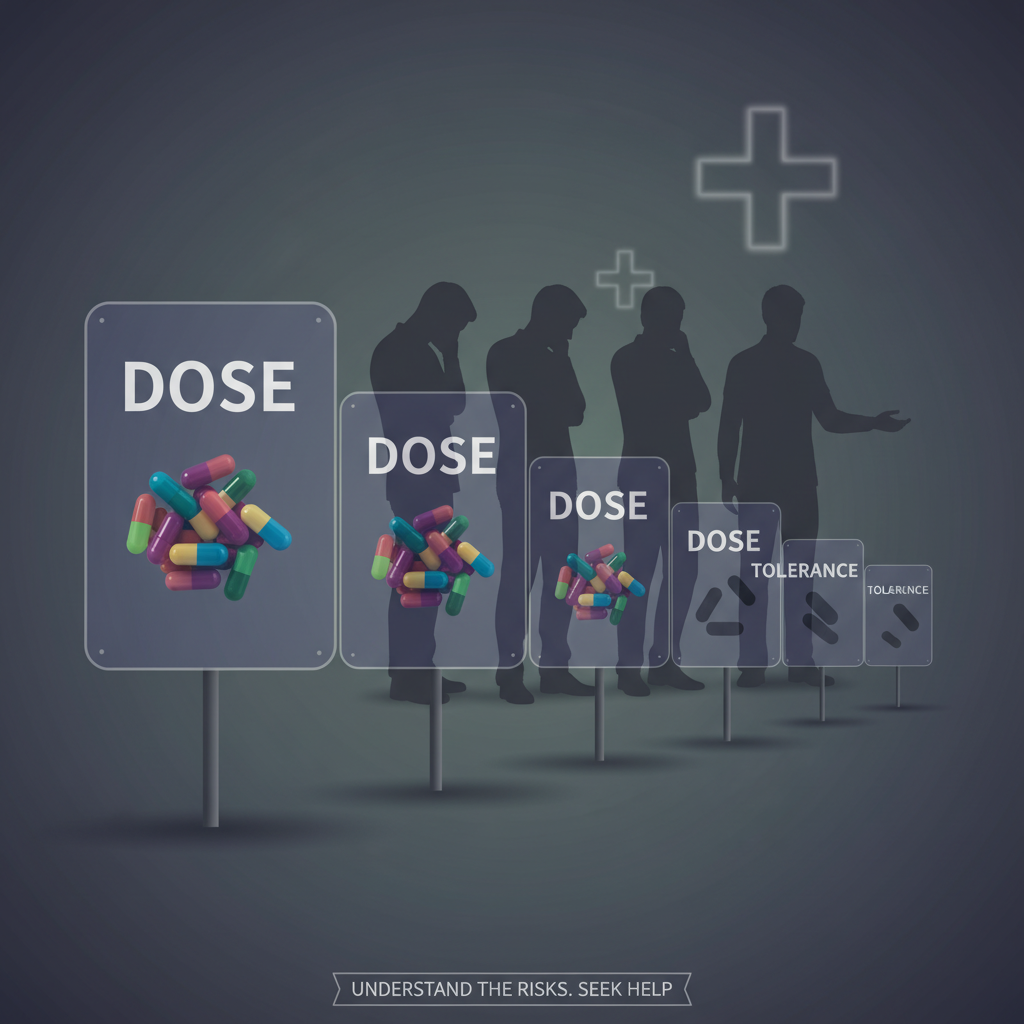
Tolerance means you need more of a substance to achieve the same effect. Dependence develops when your body adapts to the drug and reacts with withdrawal symptoms if you stop or lower your dose. Understanding this difference can help you recognize when you’re at risk. For more on this, see understanding tolerance vs dependence.
Mechanisms of withdrawal
Withdrawal symptoms arise as your nervous system adjusts to the absence of the substance. Sedatives like benzodiazepines enhance inhibitory neurotransmitters, so stopping them can trigger central nervous system hyperactivity—seizures, tremors, anxiety. Opioids bind pain and mood receptors, and removing them causes rebound discomfort, diarrhea, muscle aches, sweating. Alcohol affects GABA and glutamate pathways, so abrupt cessation can lead to overexcitation of the brain. Recognizing these mechanisms helps you understand why medical support may be essential.
Recognize severe symptoms
Life-threatening alcohol signs
When you stop drinking alcohol, mild symptoms like tremors or insomnia can appear within hours. But severe signs such as seizures, hallucinations, or delirium tremens can develop 48 to 72 hours after your last drink. Delirium tremens is fatal in about 15 percent of untreated cases and requires immediate medical care. According to American Addiction Centers, DT occurs in fewer than 5 percent of alcohol withdrawal episodes but can be fatal without treatment [2]. Learn more about symptoms of severe alcohol withdrawal and understand the dangers of quitting alcohol suddenly to protect your health.
Dangerous benzodiazepine symptoms
Withdrawal from benzodiazepines can provoke severe central nervous system excitement, leading to seizures, hallucinations, and life-threatening agitation. You may also face dangerous mood swings or psychosis if you taper too quickly or stop abruptly. Recognize symptoms like uncontrolled shaking, visual or auditory hallucinations, and severe anxiety. For a detailed timeline, review benzo withdrawal symptoms timeline and be aware of severe benzo withdrawal risks. According to American Addiction Centers, improper management of benzodiazepine withdrawal can result in seizures and other critical complications [2].
Critical stimulant and opioid signs
Stimulant withdrawal can trigger severe agitation, psychotic symptoms such as paranoia and disordered thinking, and in rare cases violent behavior. According to WHO guidelines, you may require sedation with diazepam or hospital psychiatric care for safety [3]. Opioid withdrawal is rarely directly life-threatening but causes intense discomfort—including muscle aches, nausea, diarrhea—that can lead to dehydration and electrolyte imbalance. Severe cravings also heighten the risk of relapse and accidental overdose because your tolerance is lower after abstinence. Familiarize yourself with early signs of opioid withdrawal to act promptly.
Monitor substance timelines
Alcohol withdrawal progression
Alcohol withdrawal symptoms typically begin six to 12 hours after your last drink with mild tremors, anxiety, and headache. Within 24 hours, you may experience nausea or mood swings. Seizures often occur between 24 and 48 hours, and delirium tremens peaks around 48 to 72 hours. Continuous medical monitoring is critical during this window to detect life-threatening changes in vital signs. For more details, see dangers of quitting alcohol suddenly.
Opioid timeline overview
Opioid withdrawal usually starts six to 12 hours after short-acting opioids such as heroin, and up to 30 hours after long-acting formulations. Peak symptoms—severe muscle cramps and vomiting—occur around 72 hours, then gradually ease over five to 10 days. However, some discomforts like insomnia or anxiety may persist in post-acute withdrawal syndrome. For a deeper dive, check how long opioid withdrawal lasts, heroin withdrawal day by day and fentanyl withdrawal symptoms early stages.
Benzo and sedative timeline
Withdrawal from benzodiazepines or other sedatives can unfold over weeks or months, unlike alcohol and opioids. Early symptoms such as anxiety and insomnia appear in the first one to three days. Peak risk of seizures and psychosis often occurs in the first week, but protracted symptoms like mood disturbances or sleep disruption can last months without proper tapering. Review benzo withdrawal symptoms timeline to plan a safe tapering schedule.
Identify emergent warning signs
Delirium tremens indicators
If you notice sudden confusion, severe agitation, high fever or visual hallucinations a few days after you stop drinking, you may be experiencing delirium tremens. This condition requires immediate emergency medical care. Delirium tremens can lead to cardiac arrest or stroke if untreated. Call 911 or go to your nearest emergency department without delay.
Severe CNS excitation
Signs of uncontrolled central nervous system excitation include seizures, tremors that you cannot control, racing heart rate, and dangerously high blood pressure. These symptoms can occur during alcohol or benzodiazepine withdrawal. Medical intervention with controlled dosing of diazepam or other benzodiazepines is often needed to stabilize your condition.
Psychosis and agitation
During withdrawal from stimulants or heavy sedative use, you may develop paranoia, disordered thoughts or violent agitation. These symptoms pose a risk to yourself and others. If you experience intense psychosis or lose touch with reality, seek hospital psychiatric care immediately [3].
Avoid at-home detox risks
Limited emergency protocols
Many emergency departments lack clear protocols for managing withdrawal. They may only sober you up without offering detox medications or follow-up plans, increasing the risk of unmanaged withdrawal complications. One 2021 report described patients turned away because their symptoms were not considered severe enough, sometimes with fatal outcomes [1].
Mislabeling as drug-seeking
You might be mischaracterized as engaging in drug seeking behavior, leading to restraints, quick discharge and nothing more than informational packets. This stigmatization can prevent you from getting the medical care you need.
Legal obligations in hospitals
U.S. federal laws such as the Emergency Medical Treatment and Labor Act, the Americans with Disabilities Act and Title VI of the Civil Rights Act require hospitals to provide necessary care for substance use disorder and withdrawal symptoms. Failure to do so can open hospitals to legal liability [1].
Seek medical supervision
Emergency warning signs
You should call 911 or go to the ER if you experience any of the following:
- Seizures or convulsions
- High fever (above 100.4°F)
- Severe chest pain or difficulty breathing
- Extreme confusion or inability to stay awake
- Suicidal thoughts or self-harm urges
- Signs of severe dehydration, such as low urine output or dizziness
Medication-assisted treatments
Medication-assisted treatments can prevent or ease withdrawal symptoms and reduce overdose risk. Common options include:
| Medication | Use | Monitoring |
|---|---|---|
| Buprenorphine | Treat or prevent opioid withdrawal | Watch for respiratory depression |
| Diazepam | Manage alcohol or benzodiazepine seizures | Monitor sedation and vital signs |
| Clonidine | Reduce moderate opioid symptoms | Check blood pressure, stop if below 90/50 mmHg |
Buprenorphine is underutilized in many U.S. emergency departments despite evidence that it decreases overdoses [1]. High-dose diazepam or phenobarbital may be necessary for alcohol or benzo-related seizures.
When detox is insufficient
Medical detox focuses on stabilizing your physical condition, but it does not address the behavioral and psychological aspects of addiction. You may need ongoing therapy, mental health support or residential rehab. Recognize signs you need medical detox and understand when detox is not enough to plan a comprehensive recovery path.
Choose professional detox
Vital sign monitoring
In a medical detox program you will have your vital signs checked regularly—often three to four times daily for alcohol and opioid withdrawal and every three to four hours for benzodiazepine withdrawal [3]. Continuous monitoring helps detect dangerous spikes in blood pressure, temperature or heart rate before they become life threatening.
Managing polysubstance withdrawal
With polysubstance use, withdrawal can be unpredictable and more severe. Medical teams tailor detox protocols to your profile, combining medications and monitoring for each substance. For detailed insights, see withdrawal symptoms for polysubstance users.
Post-acute support planning
After your acute withdrawal phase, you may experience lingering symptoms such as anxiety, insomnia and mood swings for weeks or months. Post-acute withdrawal syndrome requires ongoing care, including therapy, support groups and possibly medication. Learn more at post acute withdrawal syndrome help.
Transition to long-term care
Recognizing PAWS needs
Post-acute withdrawal syndrome (PAWS) involves persistent emotional and physical symptoms after detox. Mood instability, cravings and sleep disturbances can increase relapse risk. Identifying these patterns allows you to seek timely interventions.
Rehab versus detox differences
Detox stabilizes your body, but rehab addresses the root causes of addiction through therapy, skill building and group support. When you’re ready for the next step, compare detox vs withdrawal differences to choose the right program for sustained recovery.
Building support networks
Recovery thrives on connection. Engaging with peers, family and recovery communities provides accountability and encouragement. Consider group therapy, 12-step programs or peer recovery coaching as part of your long-term plan.
Empower your safe recovery
Knowing the danger signs during drug withdrawal is your first line of defense against complications. If you experience severe symptoms, don’t hesitate to seek emergency care. Enrolling in a supervised detox program and transitioning to structured rehab can protect your health and improve your chances of lasting recovery. You are not alone—reach out to medical professionals, support groups and trusted friends as you navigate each step of your journey.