You may experience a range of symptoms of severe alcohol withdrawal when you stop or dramatically reduce heavy, long-term drinking. In many cases you’ll begin with mild signs like tremors or insomnia, but without proper care these can escalate into life-threatening complications such as seizures or delirium tremens. Understanding these critical symptoms early can help you and your loved ones recognize when you need urgent medical support.
This article walks you through the typical timeline of alcohol withdrawal, outlines the most dangerous signs to watch for, highlights key risk factors, and explains why professional detox and rehab often offer the safest path to recovery. If you want to learn more about the dangers of quitting alcohol suddenly, see our guide on dangers of quitting alcohol suddenly.
Understanding alcohol withdrawal timeline
When you stop heavy drinking, your body reacts as it adjusts to the absence of alcohol’s sedative effects. Symptoms typically emerge in stages and can range from mild discomfort to severe, life-threatening conditions.
| Phase | Onset | Common symptoms |
|---|---|---|
| Phase 1: mild | 6–24 hours | Insomnia, mild anxiety, tremors |
| Phase 2: moderate | 24–48 hours | Rapid heartbeat, elevated blood pressure, sweating |
| Phase 3: severe | 48–72 hours | Seizures, delirium tremens, hallucinations |
| Protracted withdrawal concerns | Weeks to months | Anxiety, sleep disruption, mood swings |
Phase 1 symptoms can feel like a bad hangover—shaking hands, restlessness, slight nausea. As you move into Phase 2, your autonomic nervous system ramps up, causing you to sweat heavily, feel nauseated, or even vomit. The most dangerous period is Phase 3, when you may develop withdrawal seizures or delirium tremens, the latter peaking around 72 hours after your last drink [1]. In some cases these severe symptoms can last up to two weeks.
Protracted withdrawal syndrome (PWS) may follow the acute phases, leading to lingering issues such as persistent anxiety, depressed mood, and disrupted sleep for months or even a year [2].
Recognizing severe symptoms
It’s vital to distinguish between symptoms you can manage at home and those requiring immediate medical care. Severe alcohol withdrawal can present with:
Delirium tremens
Delirium tremens (DTs) is the most acute form of withdrawal. You might experience:
- Severe confusion and agitation
- Visual or auditory hallucinations
- Extreme fluctuations in body temperature and blood pressure
- Profuse sweating and dehydration
DTs carries a mortality rate of about 5% to 10% without treatment but drops to around 5% or less with prompt intervention [3].
Withdrawal seizures
Seizures can strike without warning, usually between 24 and 48 hours after your last drink. Look for:
- Sudden convulsions or twitching limbs
- Loss of consciousness
- Tongue biting or incontinence
More than 5% of untreated people in withdrawal experience seizures, and the risk increases with each previous detox attempt [2].
Autonomic hyperactivity
Your autonomic nervous system can overcompensate for the lack of alcohol, resulting in:
- Rapid heart rate (tachycardia)
- High blood pressure
- Fever or low-grade fever
- Profuse sweating
These signs often precede more dangerous complications and merit close monitoring.
Psychiatric complications
Psychological symptoms can be just as serious:
- Severe anxiety or panic attacks
- Depression or suicidal thoughts
- Delusions or paranoia
If you notice any sudden mental status changes, seek medical care without delay.
Identifying risk factors
Certain factors increase your likelihood of developing severe withdrawal symptoms. Recognizing these can help you and your care team proactively plan for safe detox.
Heavy drinking history
- Drinking heavily for more than two weeks
- Consuming three or more drinks per day (males) or two or more (females)
- Binge patterns or daily intake over 15 drinks per week (males), eight per week (females)
Co-occurring medical conditions
- Liver disease or abnormal liver function
- Acute infections or chronic illnesses
- Electrolyte imbalances or malnutrition
Previous withdrawal episodes
If you’ve suffered seizures or DTs in past detox attempts you’re at higher risk of recurrent severe symptoms. Repeated withdrawals may trigger a “kindling” effect where each episode becomes more dangerous.
Dependence vs tolerance
Your risk also depends on how your body adapted to alcohol over time. Learn more about the differences in our article on understanding tolerance vs dependence.
Assessing when to seek help
Deciding between home care and professional detox can be lifesaving. Watch for these warning signs:
Warning signs for medical supervision
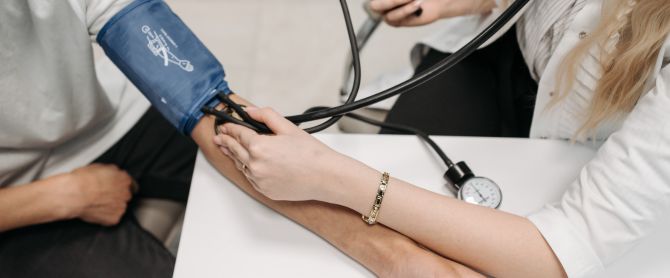
- Heart rate above 120 bpm or blood pressure spikes
- Persistent vomiting or inability to keep fluids down
- Hallucinations, confusion, or disorientation
- Seizure activity, even a single event
Any of these mean you should access emergency care or a medical detox program right away. For a broader list, see withdrawal symptoms that require medical care.
Home detox risks
Attempting to detox at home can leave you unmonitored during your highest-risk period. Complications like DTs and seizures require:
- Continuous vital sign monitoring
- Rapid response to emergencies
- Intravenous medication administration
Understand why you should not detox at home to protect yourself or a loved one.
Signs you need medical detox
If you identify with any of the following, arrange for professional supervision:
- History of severe withdrawal symptoms (DTs or seizures)
- Co-occurring health issues such as heart disease or diabetes
- Lack of a stable, safe environment for 24/7 care
- Inability to resist drinking at home
Detailed criteria are available in our guide on signs you need medical detox.
Managing severe withdrawal medically
Inpatient detox programs use evidence-based protocols to stabilize you safely and reduce the risk of fatal complications.
Benzodiazepine therapy
Long-acting intravenous benzodiazepines such as diazepam or lorazepam are the gold standard for controlling withdrawal hyperactivity and preventing seizures [1]. Doses are adjusted based on your Clinical Institute Withdrawal Assessment (CIWA-Ar) score.
Supportive care
Beyond medication, you’ll receive:
- IV fluids and electrolyte replacement
- Nutritional supplementation (thiamine, multivitamins)
- Temperature regulation and comfort measures
Monitoring protocols
In an intensive care or specialized detox unit you can expect:
- Hourly vital sign checks
- Continuous cardiac monitoring
- Regular CIWA-Ar assessments to guide treatment
- Access to nursing and medical staff 24/7
This level of supervision ensures any complications are detected and treated immediately.
Preventing complications
Managing severe withdrawal isn’t just about stopping symptoms now, it’s about reducing long-term health risks.
Electrolyte and fluid balance
Continuous monitoring of sodium, potassium, and magnesium levels prevents arrhythmias and muscle cramps. Your care team will adjust IV fluids as needed.
Nutritional support
Heavy drinkers are often thiamine-deficient, which can lead to Wernicke’s encephalopathy. Expect high-dose vitamin B1, folic acid, and a balanced diet plan to restore your health.
Addressing post acute withdrawal syndrome
After the acute phase you may experience lingering symptoms like mood swings, sleep issues, and fatigue. Learn coping strategies and find resources in our post acute withdrawal syndrome help guide.
Comparing detox options
Choosing the right setting for withdrawal depends on your risk profile, medical needs, and support network.
| Feature | Home detox | Inpatient medical detox |
|---|---|---|
| Monitoring | Self-monitoring | Continuous professional monitoring |
| Medication administration | Oral doses, inconsistent | IV and oral, titrated to CIWA-Ar scores |
| Emergency response | Delayed | Immediate access to critical care |
| Safety for high-risk cases | Not recommended | Recommended for severe withdrawal or comorbidities |
Detox vs withdrawal differences
Detox refers to the supervised process of clearing alcohol from your system under medical care, whereas withdrawal describes the symptoms you experience. For a detailed comparison, see detox vs withdrawal differences.
Why you should not detox at home
Without medical oversight you risk unmanaged seizures, DTs, and cardiac events. Explore the full rationale in why you should not detox at home.
When detox is not enough
Medical detox addresses acute symptoms but not the behavioral and psychological factors driving addiction. Discover next steps in our article on when detox is not enough.
Planning recovery next steps
Completing a safe detox is your first victory, but sustained sobriety often requires a comprehensive rehabilitation plan.
Transition to rehab programs
Look for programs that offer gender-specific or tailored therapies, evidence-based counseling, and group support. Your detox team can refer you to inpatient or outpatient rehab based on your needs.
Long-term support
After rehab, ongoing care such as cognitive behavioral therapy, peer support groups, and alumni networks help you maintain progress and prevent relapse.
By recognizing the critical symptoms of severe alcohol withdrawal and choosing professional detox when needed, you give yourself the best chance for a safe, stable start to recovery. Seek expert medical attention at the first sign of severe symptoms to protect your health and wellbeing.