
Recognizing the signs you need medical detox for safety is a critical first step when you or a loved one faces the challenges of substance withdrawal. Medical detox, or clinically supervised withdrawal management, provides professional care to manage physical and psychological symptoms that can become overwhelming or life threatening when you stop using alcohol, opioids, benzodiazepines or other substances. By knowing the key indicators—intense cravings, growing tolerance, severe withdrawal symptoms, repeated relapse attempts or an overdose event—you can seek the help you need without delay and reduce your risk of complications.
Overview of medical detox
What is medical detox
Medical detox, formally called withdrawal management, focuses on safely stabilizing your body as you stop using a substance. While your liver performs the biochemical process of detoxification, clinicians monitor vital signs, manage pain or discomfort with medications, and address acute symptoms to prevent complications. In 2009 the World Health Organization recommended replacing “detox” with “withdrawal management” to more accurately describe the clinical role [1].
Why medical detox matters
Without professional support, withdrawal can trigger seizures, delirium tremens, cardiac events or other serious conditions. Alcohol and benzodiazepine withdrawal in particular carries a risk of life-threatening complications if not managed in a medical setting [2]. Even opioid withdrawal, rarely fatal on its own, can drive you toward relapse or accidental overdose once your tolerance drops. A structured detox environment provides continuous monitoring, access to medications and rapid response to emergencies, making it a vital first step in long-term recovery.
Recognize warning signs
Uncontrollable substance cravings
An overwhelming urge to use drugs or alcohol, despite knowing the harm it causes, signals that you need medical detox to manage cravings safely and reduce relapse risk during early recovery [3]. Cravings that intensify or hijack your thoughts can lead to impulsive use if left unchecked.
Increased substance tolerance
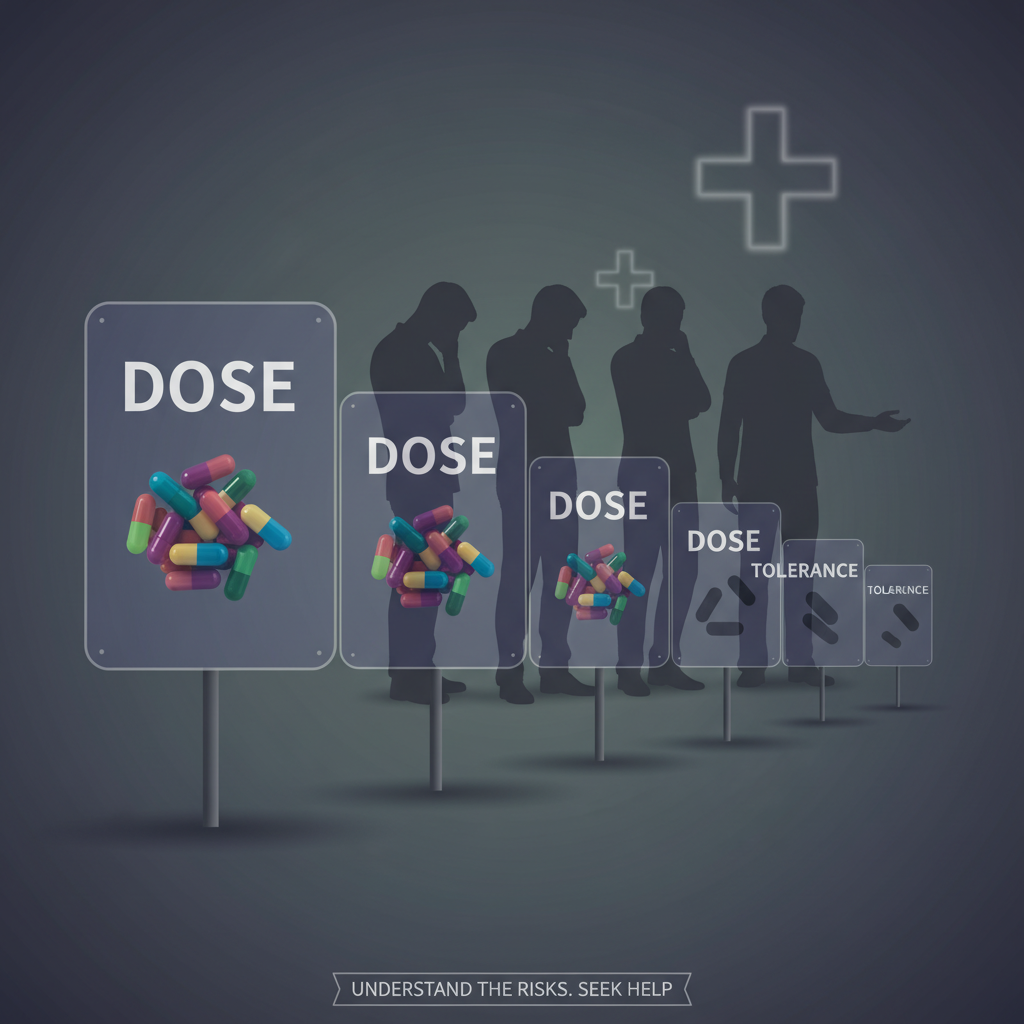
When you find yourself needing larger amounts of a drug or alcohol to achieve the same effect, you’re developing tolerance and physical dependence. This escalation increases your risk of overdose and indicates that professional support is necessary to wean off the substance safely [4].
Severe withdrawal symptoms
Symptoms such as sweating, shaking, nausea, headaches, anxiety, sleep disturbances or an elevated heart rate can occur when you reduce or stop substance use. In their most extreme form—seizures, high body temperature, high blood pressure or delirium tremens—these signs require immediate medical attention [5].
Repeated failed quit attempts
If you’ve tried to quit or cut back multiple times and relapsed each time, your body may need medical detox to stabilize physical dependence before you can engage in further addiction treatment [3].
Overdose or life threat
Experiencing an overdose, or any life-threatening event tied to substance use, demands urgent medical detox and follow-up treatment. This is the most urgent sign that professional intervention is required [3].
Understand risk factors
Coexisting medical conditions
Chronic illnesses such as diabetes, heart disease, hypertension or pregnancy can amplify the dangers of unsupervised withdrawal and make medical detox essential. Your body’s stress response to detox can exacerbate these conditions, so professional monitoring is critical [6].
Polysubstance use complexities
If you use multiple substances, withdrawal symptoms can overlap, intensify or mask each other. Managing polysubstance withdrawal safely often requires a specialized protocol to address each drug’s unique timeline and risks [7].
Mental health concerns
Co-occurring disorders—depression, anxiety or PTSD—heighten withdrawal difficulty and relapse potential. Medical detox programs integrate mental health support to stabilize both body and mind before you transition into further therapy.
Review withdrawal timelines
Alcohol withdrawal timeline
Within 6–12 hours after your last drink you may experience tremors, anxiety and insomnia. By 24–48 hours you risk seizures and severe anxiety. Delirium tremens, a potentially fatal condition characterized by rapid heartbeat, fever and confusion, can emerge 48–72 hours in. For a full overview of symptoms and timing, see symptoms of severe alcohol withdrawal.
Opioid withdrawal timeline
Signs of opioid withdrawal—muscle aches, nausea, diarrhea, anxiety and sweating—can start 6–12 hours after short-acting opioids or 24–48 hours after long-acting ones. Symptoms peak on day 2 or 3 and can last up to a week or more. For early indicators, review early signs of opioid withdrawal and how long opioid withdrawal lasts.
Benzodiazepine withdrawal timeline
Benzo withdrawal symptoms can arise 1–4 days after stopping, including sleep disturbances, tremors and anxiety. Severe risks like seizures and delirium may occur up to two weeks later. Learn more at benzo withdrawal symptoms timeline and severe benzo withdrawal risks.
Stimulant withdrawal timeline
Comedown effects from cocaine—depression, fatigue and intense cravings—emerge within hours and can persist for days [8]. Meth withdrawal often includes an extreme crash and mood swings—see meth crash symptoms and recovery. For fatigue and concentration issues, consult stimulant withdrawal fatigue symptoms.
Other substance timelines
Kratom withdrawal resembles opioid symptoms and begins 12–24 hours post-use [9]. Marijuana cessation can cause irritability, sleep issues and appetite changes—see marijuana withdrawal symptoms help. Heroin users may follow a day-by-day progression detailed at heroin withdrawal day by day. Fentanyl withdrawal often starts sooner and hits harder—review fentanyl withdrawal symptoms early stages.
Compare detox approaches
Risks of at-home detox
“Natural detox” or unsupported withdrawal management lacks reliable scientific backing and can leave you vulnerable to dangerous complications, especially with alcohol or benzodiazepines [1]. Trying to quit cold turkey may trigger seizures or delirium tremens and increase your risk of relapse. For more risks, see why you should not detox at home and dangers of quitting alcohol suddenly.
Benefits of professional detox
In a medical detox program you receive continuous monitoring, medications to ease withdrawal and rapid response to emergencies. This stabilizes your body, reduces discomfort, and prepares you for ongoing addiction treatment [6].
| Feature | At-home detox | Professional detox |
|---|---|---|
| Monitoring | Self-assessment | Continuous vital sign checks |
| Medication support | Unsupervised herbs | Clinically prescribed medications |
| Emergency response | Delayed | Immediate medical intervention |
| Relapse prevention prep | None | Integrated treatment planning |
Medical monitoring and support
Clinicians check your heart rate, blood pressure and temperature, adjusting care if you show danger signs during drug withdrawal (/danger-signs-during-drug-withdrawal). They also provide counseling and link you to peer support.
Medications for withdrawal
Doctors may prescribe benzodiazepines for alcohol withdrawal, clonidine for opioid symptoms or other medications tailored to your needs. This reduces symptom severity and lowers overdose risk once your tolerance decreases.
Transition to rehab
After detox, you can move into residential or outpatient treatment. Medical detox is a critical first step but not enough on its own—formal therapy and social support groups are essential for lasting recovery [10].
Plan safe detox journey
Preparing for detox
- Consult your primary care physician or addiction specialist
- Arrange transportation and childcare if needed
- Pack personal items, medications and insurance information
Selecting a treatment facility
Look for programs accredited by recognized bodies, with experienced medical staff and a plan for co-occurring disorders. Ask about facility size, cost, insurance coverage and aftercare options.
Post-detox follow-up
Once you complete medical detox, engage in a structured treatment plan—therapy, support groups or outpatient services. Consider resources like SAMHSA’s helpline (1-800-662-HELP) for 24/7 guidance on treatment referral across the United States.
By recognizing the signs you need medical detox and choosing a professional program, you safeguard your health, reduce withdrawal complications and set a strong foundation for long-term recovery. If you experience any severe symptoms or risk factors, don’t delay—reach out for help today.
References
- (American Addiction Centers)
- (American Addiction Centers)
- (Kyle ER & Hospital)
- (Kyle ER & Hospital; understanding tolerance vs dependence)
- (American Addiction Centers; withdrawal symptoms that require medical care)
- (GoodRx)
- (withdrawal symptoms for polysubstance users)
- (cocaine comedown symptoms)
- (kratom withdrawal timeline)
- (when detox is not enough)