Why routine building in addiction recovery matters
Routine building in addiction recovery is not about living a rigid or boring life. It is about creating a predictable structure that supports your brain, your body, and your emotions while you heal.
In early recovery, many people find that rest becomes their default activity. In one study of adults 1 to 12 weeks into remission from substance use disorder, rest made up about a third of their activities on both their busiest and least busy days [1]. Rest is important, but unstructured time can quickly turn into boredom, rumination, and cravings.
Those same researchers found that unoccupied blocks of time were some of the hardest moments to manage in early recovery, and that these gaps in the day often increased relapse risk [1]. A well designed routine helps you fill those gaps with intentional choices instead of old habits.
You are not just trying to stop using. You are building a new daily life that makes sobriety feel possible and sustainable. That is the real goal of routine building in addiction recovery.
How structure supports long term sobriety
A predictable daily routine gives you a framework to live in, instead of leaving you to react to whatever happens next. Several treatment providers and researchers highlight the same core benefits of structure in recovery:
- It creates a sense of safety and a “new normal” that replaces the chaos of active addiction [2].
- It minimizes unexpected stressors, which reduces anxiety and emotional overload [3].
- It strengthens self control, because you practice making healthy choices repeatedly until they become habits [2].
One study cited by Gateway Foundation suggests it takes an average of 66 days for new habits to feel automatic in early sobriety. That is roughly two to three months of repetition. A structured routine gives you a clear plan of what to repeat each day so those new habits can actually stick.
Over time, this structure does more than fill your schedule. It helps you:
- Reduce boredom and restlessness, two common relapse triggers
- Experience more small wins, which boosts self esteem and hope
- Feel more in control of your time and decisions
- Build trust in yourself again
If you are planning your next steps after treatment, you can think of routine building as a living relapse prevention tool that works alongside your long term recovery planning and other supports.
Understanding time, boredom, and relapse risk
You might assume that nights or weekends are the most dangerous times in recovery. The research above paints a slightly different picture. The riskiest moments are not always certain times of day. They are unstructured blocks of time.
When your day is wide open, your brain often reaches for what it already knows. For many people, that may mean:
- Old using patterns or places
- People connected with substance use
- Emotional escape through isolation or numbing out
In the same study of adults in early recovery, about 30 percent of daily activities were new things started since entering recovery, but this percentage was about the same on both their busiest and least busy days [1]. In other words, people were adding healthy activities, but they were not consistently filling the emptier parts of their schedule.
When time is not structured, you are more likely to run into:
- Familiar emotional triggers for relapse such as loneliness, anger, or shame
- Rumination about the past or anxiety about the future
- Cravings that feel sudden, even though they have been building all day
Identifying these patterns and recognizing the warning signs of relapse is an important first step. The next step is building a routine that protects you from long stretches of unoccupied time.
Core pillars of a recovery focused routine
You do not need a military style schedule. What you need is a repeatable daily rhythm that covers the basics of health, responsibility, and support. Most effective recovery routines include a few key pillars.
Sleep and wake times
Sleep is one of the first areas to suffer in addiction and one of the most powerful tools you have in recovery. Consistent sleep and wake times help regulate your mood, concentration, and impulse control.
Treatment providers recommend aiming for 7 to 8 hours of quality sleep each night, with a regular bedtime and wake time that you maintain even on weekends [4].
A simple starting point:
- Choose a realistic bedtime and wake up time and stick to them daily.
- Build a 30 to 45 minute wind down routine that does not involve screens or stressful conversations.
- Use light, movement, and a small morning ritual to signal your body that the day has begun.
Good sleep strengthens your ability to use the coping strategies for early sobriety you are learning.
Nutrition and hydration
A stable mood and clear thinking are much easier when your blood sugar is not crashing every few hours. Building regular meals into your routine is not about perfection. It is about predictability.
Resources from Spectrum Health and Fort Wayne Recovery emphasize:
- Eating at consistent times through the day
- Prioritizing whole, nutrient dense foods when possible
- Limiting extreme hunger, which can feel like anxiety or irritability
You can start with three simple anchors: breakfast within an hour or two of waking, a mid day meal, and an evening meal, plus a plan for a few balanced snacks. Over time, this kind of structure supports better physical health and can help manage co occurring conditions like diabetes or hypertension [5].
Movement and physical activity
Regular exercise is one of the most reliable natural mood stabilizers available. It reduces stress hormones, supports sleep, and can decrease cravings.
Fort Wayne Recovery highlights daily movement as a core component of effective routines in addiction recovery [6]. This does not have to mean a gym membership. You might:
- Take a brisk 20 minute walk most days
- Do light stretching or yoga in the morning
- Use bodyweight exercises at home
The main goal is consistency. Physical activity can also be a direct tool for handling stress in sobriety and managing cravings in early sobriety.
Responsibilities and life skills
Active addiction often disrupts daily responsibilities, from paying bills to cleaning your living space. Reintroducing these tasks into your routine is part of rebuilding life after addiction.
Evidence based practices cited by Ranch House Recovery show that meaningful daily responsibilities, like work, caregiving, volunteering, meal preparation, and maintaining a clean environment, improve executive functioning and lower relapse risk [7].
You can use your routine to gradually rebuild:
- Personal hygiene and grooming habits
- Household tasks such as laundry, dishes, and cleaning
- Bill payment and simple budgeting
- Work or school attendance
- Meal planning and grocery shopping
If you are in a program that offers life skills training after addiction, your routine is where those skills become daily practice.
Recovery and mental health support
A healthy routine keeps your recovery front and center, even as you return to “normal life.” This usually includes:
- Therapy sessions and psychiatry appointments as part of continuing therapy after rehab
- Medication, taken at the same times each day if prescribed
- Mutual help groups or support groups for long term sobriety
- Check ins with sponsors, mentors, or accountability partners
Regular adherence to these supports improves emotional stability and strengthens your ability to resist temptations over time [3].
These pieces should also feed directly into your developing a relapse prevention plan and your overall aftercare support after addiction treatment.
Rest, hobbies, and connection
Rest is essential, but it is most helpful when it is intentional instead of default. Studies of adults in early recovery show that when people do not have structured activities, they often fall back on positive supports like family time, spirituality, and helping others, but these are not consistently included in daily routines [1].
You can change that by deliberately scheduling:
- Enjoyable hobbies or creative activities
- Social time with safe, sober people
- Spiritual or mindfulness practices
- Acts of service or volunteering
This kind of balance keeps your days from being only work and recovery tasks. It also helps you build a fulfilling life that naturally supports how to stay sober long term.
Over time, a well structured routine becomes less about avoiding relapse and more about creating a life you do not want to escape from.
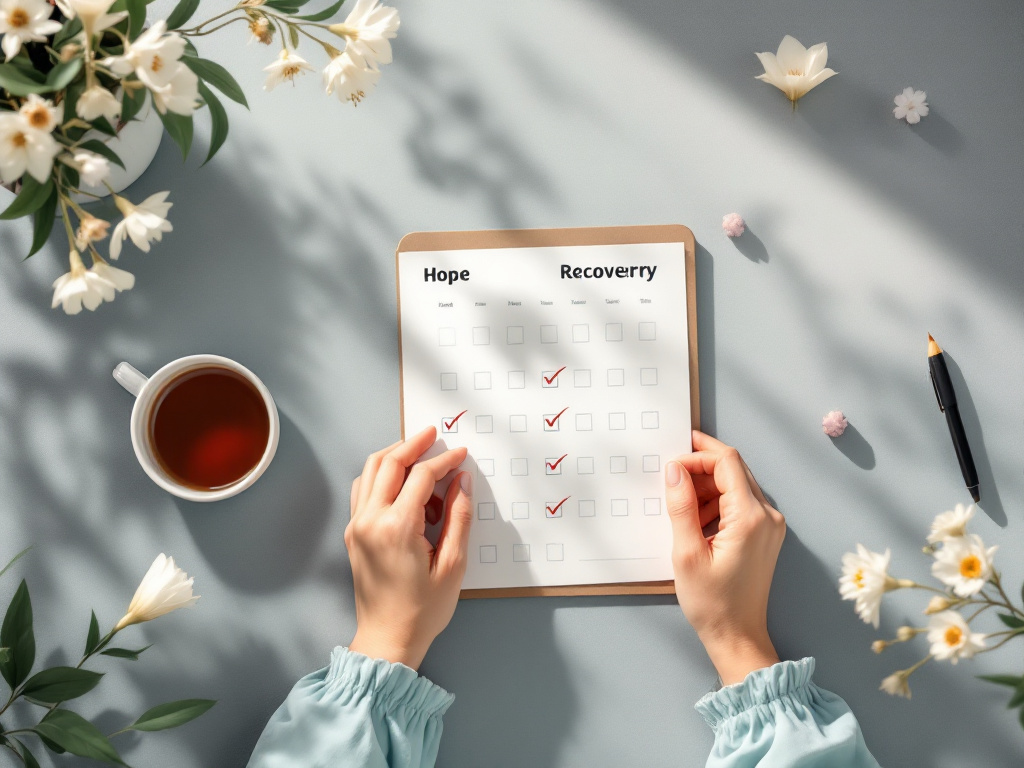
Sample daily routine for early recovery
Use this example as a template and adjust it to your own needs, schedule, and energy level.
- Morning
- Wake up at the same time
- Brief mindfulness or prayer, 5 to 10 minutes
- Light stretching or a short walk
- Breakfast
- Review your schedule and your top 3 priorities
- Midday
- Work, school, or volunteering
- Scheduled breaks every few hours to check in with yourself
- Lunch at a consistent time
- Short walk or movement if possible
- Afternoon
- Therapy session, group meeting, or aftercare programming
- Practical tasks, such as bills, appointments, errands, or cleaning
- Snack and hydration
- Evening
- Dinner
- Recovery meeting or phone call to a sober support
- Time with family or a friend
- Relaxing activity such as reading, a show, or a hobby
- Night
- Wind down routine, no intense screens in the last 30 minutes
- Brief reflection or journaling on triggers, wins, and gratitude
- Bedtime at the same time each night
If you are transitioning from inpatient care, a structured environment like sober living benefits after rehab can help you practice this kind of routine before you return home fully.
Linking your routine to relapse prevention
Routine building becomes much more powerful when you explicitly connect it to relapse prevention. You can do this in a few ways.
Map high risk times and activities
Use what you know about your history and your emotional triggers for relapse to identify:
- Times of day when you most often used substances
- Situations or feelings that often led up to use
- People and places that are tied to cravings
Then look at your current schedule. Where do you still have long, empty blocks that overlap with those risk zones. Those are the times you need extra structure.
Plug in targeted coping strategies
Once you know your high risk windows, you can intentionally schedule:
- A support meeting or check in call
- Exercise or movement
- A hobby that requires your full attention
- Time in a public, safe environment such as a coffee shop or library
This is where many of the tools from coping strategies for early sobriety, how to avoid relapse triggers, and relapse prevention strategies after rehab become practical, day to day actions instead of just ideas.
Prepare for post acute withdrawal and mood shifts
If you experience post acute withdrawal emotional symptoms, your routine can provide a lifeline on days when your mood or energy crashes. On those days, you may not feel like doing anything at all.
Rather than abandoning your plan, you can use a “minimum version” of your routine:
- Shorten your walk but still go outside
- Do a quick check in call instead of a long meeting
- Complete just one small household task
Even these smaller actions keep you engaged with recovery and reduce the risk that you will slide quietly toward relapse.
Using community and accountability to keep structure
You do not have to build or maintain your routine alone. In fact, research on social support and recovery shows that combining structured routines with peer and community support improves adherence and reduces relapse risk [7].
You can use several layers of support:
- Accountability partners and sponsors. Share your routine and ask them to check in about specific parts of it. This can strengthen your staying accountable in recovery.
- Support groups. Regularly scheduled meetings become anchors in your week and support your building a sober support network.
- Alumni programs. Many treatment centers offer alumni groups, events, and check ins that help you stay connected to recovery focused structure. Exploring the benefits of alumni programs in recovery can give you more options.
- Family and friends. When it is safe and appropriate, involve loved ones in parts of your routine. Shared meals, walks, or check ins can also support rebuilding relationships after addiction.
Staying engaged with support groups for long term sobriety and aftercare services makes it easier to adjust your routine when life changes, instead of letting it fall apart.
Adapting your routine over time
The routine that carries you through your first 90 days of sobriety will not look the same as the routine you need at one year or five years. Long term recovery is a process of continual adjustment.
You can think of your routine in three phases:
| Phase of recovery | Main routine goal | Typical focus |
|---|---|---|
| Early (0 to 3 months) | Stabilize and protect | Heavy structure, lots of support, fill empty time, manage cravings |
| Middle (3 to 12 months) | Grow and rebuild | Work or school, life skills, relationship repair, mental health |
| Long term (1 year and beyond) | Sustain and deepen | Balance, purpose, giving back, ongoing mental health maintenance after rehab |
In each phase, ask yourself:
- What is working well in my current routine?
- Where am I most vulnerable to old patterns?
- What new responsibilities or opportunities do I need to include?
- What can I let go of to avoid overloading myself?
Keeping your routine flexible and reviewing it regularly is part of effective long term recovery planning.
Putting it all together for lasting growth
Routine building in addiction recovery is not a one time task. It is an ongoing practice that helps you turn short term treatment gains into lasting growth.
When you:
- Create consistent structure in your days
- Build in sleep, nutrition, movement, responsibilities, and support
- Use your schedule to directly address high risk times and triggers
- Stay connected to community and accountability
- Adjust your routine as your life changes
you give yourself a realistic path to maintaining sobriety after rehab and building a life that feels worth protecting.
Recovery is more than not using. It is learning how to live each day with intention. Your routine is the practical framework that makes that possible.