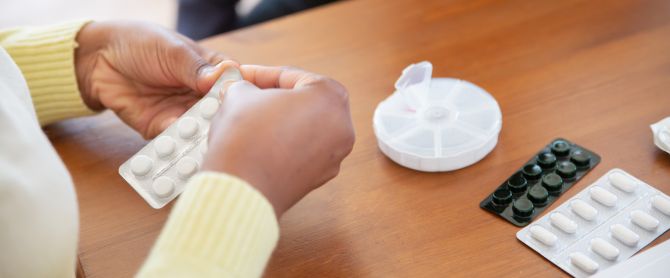

Understanding mental health maintenance after rehab
Your time in rehab gives you a foundation for sobriety. Mental health maintenance after rehab is about protecting that foundation when you transition back into daily life. Recovery affects every part of you, including your thoughts, emotions, relationships, and routines.
You are not expected to do this perfectly. Mental health maintenance is a long term process that involves resilience, support, and practical coping tools. By putting a clear plan in place, you can reduce relapse risk, strengthen your emotional health, and build a life that supports lasting recovery.
Why mental health matters so much after rehab
In early recovery, your brain and body are still adjusting. Many people experience mood swings, anxiety, sleep problems, or post acute withdrawal emotional symptoms. At the same time, you are facing real world responsibilities again.
Research shows that:
- Early recovery is a high risk period, with about half of alcohol dependent patients relapsing within three months of detoxification, which highlights the importance of strong relapse prevention and mental health support right away [1].
- Co occurring mental health conditions like depression, PTSD, anxiety, and insomnia are common among people with substance use disorders, and ignoring these issues makes relapse more likely [1].
Mental health maintenance after rehab means you pay attention to these risks and address them proactively instead of waiting for a crisis. The goal is not to avoid every difficult feeling. The goal is to build skills and support so that when challenges arise, you have ways to cope without returning to substances.
Recognizing warning signs of relapse
Relapse usually starts long before you pick up a drink or drug. It often begins with emotional and mental warning signs. When you know what to watch for, you can intervene early and protect your recovery.
You can learn more in depth signs in our guide to warning signs of relapse, but some common ones include:
- Increasing stress or irritability that you do not address
- Isolation from supportive friends, family, or recovery communities
- Romanticizing past use or minimizing the consequences
- Skipping therapy sessions, support groups, or medications
- Changes in sleep, appetite, or energy levels
- Resentment, hopelessness, or feeling like “what is the point”
Many of these early signs are emotional or behavioral shifts, not actual substance use. If you recognize them, you can return to relapse prevention counseling, adjust your coping strategies, or reach out to your support network before things escalate.
Building resilience as a recovery skill
Resilience is the ability to adapt, recover, and keep going when life is hard. In mental health maintenance after rehab, resilience is not about being “tough” or never struggling. It is about being flexible, asking for help, and learning from setbacks rather than being crushed by them.
Experts describe resilience in recovery as mental, emotional, and behavioral flexibility that helps you maintain a meaningful life and prevent relapse [2]. You build this skill over time by:
- Expecting challenges as a normal part of every phase of recovery, so you see setbacks as temporary opportunities for growth, not proof of failure [2]
- Practicing a mindset that treats slip ups as signals to reassess your plan, not as a reason to give up
- Developing a strong support system of caring, trustworthy people you can lean on when you feel overwhelmed [2]
Resilience grows with practice. Every time you face stress or cravings and choose a healthy coping strategy, you strengthen your confidence that you can handle the next challenge.
Continuing therapy and integrated treatment
Your treatment does not end when you leave rehab. For many people, continuing therapy and medication support is essential for mental health maintenance after rehab, especially if you have co occurring conditions like depression, anxiety, PTSD, or bipolar disorder.
Studies of individuals with both substance use and psychiatric disorders show that integrated treatment, which combines psychotherapy and medication management, consistently leads to better outcomes than either alone [3]. Effective ongoing care can include:
- Individual therapy, often using approaches like cognitive behavioral therapy (CBT) to address thinking patterns that fuel cravings or depression
- Behavioral therapies tailored to specific co occurring disorders, such as Integrated Group Therapy for bipolar disorder, CBT plus antidepressants for depression and alcohol use disorder, or imaginal exposure for PTSD with substance use [3]
- Case management services that help you stay engaged in treatment, navigate appointments, and access community resources, which is especially helpful since longer treatment engagement is linked with reduced relapse and fewer psychiatric symptoms [3]
If you are unsure how often to see a therapist or psychiatrist after rehab, it is usually safer to start with more support and gradually step down as you stabilize. Our guide to continuing therapy after rehab can help you think through options that fit your situation.
Using aftercare and structured support
Aftercare is the bridge between the safety of rehab and the unpredictability of daily life. These services are a core part of mental health maintenance after rehab because they provide ongoing structure, accountability, and connection.
Research and clinical experience show that:
- Aftercare services are essential for maintaining long term sobriety by offering continued care, support, and structure for handling stress, temptations, and unexpected triggers [4].
- Engaging in aftercare activities like regular therapy, 12 Step or mutual aid groups, and sober living programs can significantly reduce relapse rates and feelings of isolation [4].
Your aftercare plan might include:
- Outpatient counseling or intensive outpatient programs
- Medication management appointments
- Recovery coaching or case management
- Sober living housing
- Peer support or alumni programs
- Family therapy
If you have not yet created a plan, our overview of aftercare support after addiction treatment can guide you through what to include.
Considering sober living and structured housing
For many people, returning home immediately after rehab is not the safest option. Sober living homes give you a structured, substance free environment while you continue to practice new skills.
Sober living can support mental health maintenance after rehab by:
- Limiting exposure to people, places, and things that trigger cravings
- Providing daily routines and house rules that encourage consistency
- Surrounding you with peers who understand recovery challenges
- Offering built in accountability through drug testing, curfews, and house meetings
Gateway Rehab and others emphasize that sober living programs can be a powerful part of aftercare that reinforces coping skills and reduces isolation [4]. To learn more about whether this option fits your situation, visit our guide to sober living benefits after rehab.
Using support groups and peer support
Support groups can play a central role in your mental health maintenance after rehab. These groups create a space where you can share struggles, gain encouragement, and learn specific coping strategies from others walking a similar path.
Evidence shows that:
- Recovery and support groups help reduce feelings of isolation, improve emotional resilience, and normalize your experiences, which many people say inspires hope and keeps them engaged in recovery [5].
- Participation in mutual support programs like 12 Step activities after inpatient treatment independently improves outcomes, especially when combined with ongoing outpatient care [3].
- Peer support groups and mentorship can increase treatment engagement, reduce risky behaviors, and improve self efficacy to abstain [6].
You can explore different options, including:
- 12 Step fellowships
- SMART Recovery or other secular mutual aid groups
- Peer led mental health support groups
- Treatment center alumni programs
Our resource on support groups for long term sobriety explains how to find a group that fits your beliefs and schedule.
Consistent participation in support groups encourages accountability and commitment to personal growth, which strengthens your confidence and problem solving over time [5].
Developing a relapse prevention plan
A personalized relapse prevention plan is one of the most practical tools for mental health maintenance after rehab. Instead of reacting in the moment, you think through high risk situations in advance and decide how you will respond.
According to the VA Whole Health Library and SAMHSA, an effective plan helps you:
- Identify internal triggers like certain thoughts, feelings, or physical sensations
- Recognize external triggers like specific people, places, or events
- List coping skills you can use in each situation
- Name people and resources you can contact quickly in a crisis [7]
Relapse prevention counseling often uses motivational interviewing and CBT based approaches to help you build self efficacy, practice coping skills, and reenter the change cycle if use occurs [8].
You can build or update your plan with the help of your therapist, sponsor, or case manager. Our step by step guide to developing a relapse prevention plan can walk you through this process.
Strengthening daily coping strategies
Daily coping strategies are the small actions that protect your mental health. Instead of relying on willpower in a crisis, you put healthy habits on autopilot. Over time, these routines lower your baseline stress and reduce the intensity of cravings.
Research and clinical guidance point to several effective approaches:
Mindfulness and grounding
Mindfulness teaches you to notice thoughts and feelings without automatically reacting. In early recovery, mindfulness and focused breathing exercises can help you step back from negative thinking and reduce stress [9].
Mindfulness based relapse prevention techniques, including the SOBER brief meditation (Stop, Observe, Breathe, Expand, Respond), have research support for increasing self awareness and positive coping skills [1].
Cognitive and emotional skills
Reframing negative internal dialogue is another key strategy. This involves:
- Noticing automatic thoughts like “I will never stay sober”
- Challenging them with facts from your own progress
- Replacing them with more balanced statements such as “Staying sober is hard, but I am learning new tools and I am not alone”
This kind of cognitive restructuring supports resilience by shifting your focus from shame to growth [2].
Practical coping in early sobriety
You can also use very concrete tools. Our guide to coping strategies for early sobriety covers skills such as:
- Urge surfing for cravings
- Using “if then” plans to handle high risk situations
- Creating a crisis contact list you keep on your phone
These approaches work best when you practice them before you are overwhelmed, so they are easier to use under stress.
Creating structure, routine, and life balance
A predictable routine supports your mental health by reducing decision fatigue and giving your brain time to heal. Many people find that when they skip structure, they feel restless, bored, or anxious, which can quickly feed cravings.
SAMHSA notes that during the Maintenance stage of recovery, stabilizing new behaviors means helping you identify triggers for relapse and building coping plans that become automatic habits [8]. You can support this process by:
- Setting regular wake and sleep times
- Scheduling meals, work or school, exercise, and recovery activities
- Building in simple self care practices like walks, reading, or hobbies
If you are not sure where to start, our resources on building structure in early recovery and routine building in addiction recovery offer practical examples you can adapt to your life.
Building a strong sober support network
Isolation is a major risk factor for relapse. A strong support network protects your mental health and sobriety by giving you people you can call when you feel tempted, discouraged, or overwhelmed.
Studies show that social and family support are key elements of “recovery capital,” which helps maintain lifestyle changes and prevent relapse [8]. Support groups, peer mentors, and family can provide:
- Emotional support when you experience cravings or low mood
- Practical help with rides, childcare, or navigating systems
- Encouragement and accountability as you work your plan
You can learn how to create and strengthen this circle in our guide to building a sober support network.
Rebuilding life skills and daily functioning
Long term mental health maintenance after rehab is not just about symptoms or cravings. It is also about rebuilding your life in ways that support stability and self respect.
Gateway Rehab notes that aftercare services that include job training, education, and financial management make it easier to reintegrate into society and boost confidence [4]. Practical life skills might include:
- Budgeting, paying bills, and managing debt
- Time management and planning
- Healthy cooking and nutrition
- Work readiness, interviewing, and job searching
- Communication, boundary setting, and conflict resolution
Developing these skills reduces stress and creates a sense of progress, which supports your mood and motivation. Our page on life skills training after addiction outlines common areas you may want to work on.
Managing cravings, triggers, and emotional storms
Cravings and emotional surges are part of recovery, especially early on. Mental health maintenance after rehab involves learning how to respond to them without panicking or acting on impulse.
You can strengthen this area by:
- Learning how to recognize and manage emotional triggers for relapse, such as shame, anger, or loneliness
- Practicing specific tools for managing cravings in early sobriety, including distraction, delay, and reaching out to a support person
- Identifying how to avoid relapse triggers in your environment when that is possible
Over time, your brain’s reward system can heal, and cravings typically become less intense and less frequent. Until then, having a clear plan for how to ride them out is critical.
Healing relationships and strengthening family support
Relationships often carry a lot of pain by the time you reach rehab. However, they can also become a powerful source of stability and encouragement in your ongoing recovery.
SAMHSA highlights the value of family therapy in helping people understand addiction and mental illness, improve communication, and support recovery efforts [10]. In addition, Gateway Rehab notes that family and community support during aftercare helps:
- Repair trust
- Improve communication
- Create an environment that supports both mental health and sobriety [4]
If you are beginning this process, our guide to rebuilding relationships after addiction can help you take the first steps at a realistic pace.
Staying accountable over the long term
Accountability is not about punishment. It is about creating systems that help you live in line with your values. For mental health maintenance after rehab, accountability might include:
- Regular check ins with a therapist, sponsor, or mentor
- Honest conversations with trusted family members or friends
- Participation in alumni or peer groups where you share your goals and progress
Peer mentorship programs have been shown to increase adherence to outpatient appointments after discharge and support long term recovery efforts [6]. Our resource on staying accountable in recovery offers ideas for building this into your routine in ways that feel supportive instead of shaming.
Planning for long term recovery
Recovery is not a short term project. The VA Whole Health Library emphasizes that maintaining recovery from substance use disorders typically requires lifelong attention to physical, psychological, social, and spiritual domains, including self awareness, self care, balance, and coping skills [1].
A long term recovery plan might include:
- Short term goals for the next 3 to 6 months
- Medium term goals for the next 1 to 3 years
- Long term hopes for work, relationships, health, and personal growth
As your life changes, you can update your plan, including your relapse prevention strategies and support systems. For help thinking through this bigger picture, explore our guide to long term recovery planning and how to stay sober long term.
Using national and community resources
You do not have to do this alone. In addition to your local providers and support groups, national resources can connect you with care when you need it.
SAMHSA’s National Helpline is a free, confidential, 24/7 service that provides treatment referral and information in English and Spanish for individuals and families facing mental and substance use disorders [10]. This helpline can:
- Connect you with local treatment facilities and support groups
- Help you find community based organizations that offer ongoing support
- Provide referrals to state funded programs or sliding scale services if you do not have insurance or are underinsured [10]
SAMHSA also offers educational resources like “Family Therapy Can Help: For People in Recovery From Mental Illness or Addiction,” which can support you and your loved ones as you navigate long term recovery [10].
Bringing it all together for lasting mental health
Mental health maintenance after rehab is not a single action or appointment. It is a collection of choices, skills, and supports that work together to protect your recovery. When you:
- Continue therapy and integrated treatment
- Use aftercare, sober living, and support groups
- Practice daily coping skills and mindfulness
- Build structure, life skills, and healthy relationships
- Maintain a living relapse prevention and long term recovery plan
you create a recovery environment where sobriety is not just possible, but sustainable.
If you are preparing to leave treatment or are already adjusting to life after rehab, you can take the next step by exploring resources like maintaining sobriety after rehab, relapse prevention strategies after rehab, and rebuilding life after addiction. With the right plan and support, you can move forward with greater stability, confidence, and hope.