
Overdose deaths fell by more than a quarter in 2024, yet an estimated 80,391 Americans still died that year. Progress like that is real, but it doesn’t help someone caught in a cycle of relapse. For them, stepping away from daily triggers and into structured care can be the turning point. Understanding inpatient rehab California programs is a good place to start.
Questions Answered in This Article:
- What Is Inpatient Treatment?
- How Is a Residential Inpatient Program Different From Outpatient Care?
- Who Do California Inpatient Rehabs Help the Most?
- How Do You Narrow Down Inpatient Rehab Facilities Near Me?
What Is Inpatient Treatment?
The short answer: you live at a treatment facility while you recover. Instead of squeezing therapy between work, school, and the routines that made using easy, you step away from them for a set stretch, commonly 30 to 90 days and sometimes longer.
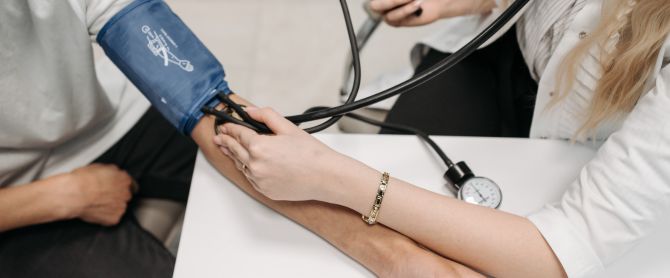
Days are structured. A morning group session, individual counseling after lunch, a peer meeting in the evening. Nurses and clinicians are on site around the clock, and that matters most early on. Withdrawal from alcohol addiction or opioids can turn dangerous quickly, and medical supervision is hard to replicate at home.
Many programs offer detox, therapy, and medical care under one roof. You’re not juggling three providers while you feel your worst. Good inpatient rehab California options also treat the person behind the diagnosis, not just the substance.
Think of it as a reset with guardrails. The goal isn’t to hide from your life for two months. It’s to build enough stability, skills, and relapse prevention habits that your life holds up when you return.
How Is a Residential Inpatient Program Different From Outpatient Care?
Intensity is the big divider. An outpatient program might mean a few hours of counseling several days a week, with nights spent at home. That can work well for someone with stable housing, a supportive household, and a lower risk of relapse. A residential inpatient program takes away the daily triggers altogether.
The vocabulary trips people up. “Inpatient” and “residential” get used interchangeably, and in practice they overlap a lot. Hospital-based inpatient care leans medical. A residential program feels more like a shared home with clinical support built in. Browse any residential addiction treatment center California website, and you’ll see both labels, sometimes on the same page. Ask what level of care is available on site. That answer says more than the label does.
Neither format wins across the board. Plenty of people begin in residential rehab and step down to outpatient care once they’re steady. A short-term stay can stabilize a crisis, but long-term recovery depends on what comes next.
Who Do California Inpatient Rehabs Help the Most?
Start with the person who has tried to quit and couldn’t. Maybe they’ve gone through detox twice and ended up back in the same apartment, with the same people, within a week. For them, distance from daily life isn’t a luxury. It’s the point.
Severity matters too. People with substance use disorders involving alcohol, benzodiazepines, or heavy opioid use often face medical risks when they stop. Others have mental health conditions like depression, PTSD, or anxiety that fuel the cycle. When mental health issues and addiction feed each other, treating only one rarely holds. A strong behavioral health team handles both at once, using mental health treatments such as cognitive behavioral therapy and trauma-focused work.
The substance matters less than the pattern. Whether it’s drugs or alcohol, the real question is whether outpatient care has been enough. Family members are often the first to see that it hasn’t. They also play a role once treatment starts, through family sessions and education that help the whole household reset.
How Do You Narrow Down Inpatient Rehab Facilities Near Me?
Type inpatient rehab facilities near me into a search bar and you’ll get dozens of results and very little clarity. A few checks cut through the noise.
Begin with licensing. California’s Department of Health Care Services licenses residential alcohol and drug treatment programs, and a facility should show you its credentials without hesitation.
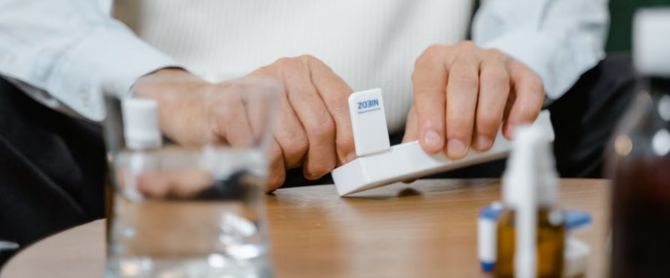
Then look at the clinical side. Is a physician or nurse available at all hours? Does the team treat co-occurring conditions, or refer them out? What type of treatment fills the day: evidence-based therapy, or mostly unstructured time? Ask about treatment options like medications for opioid or alcohol dependence, and what aftercare looks like after discharge.
Location deserves a thought as well. Staying close makes visits easier for loved ones. Going farther can put real distance between you and old habits. Neither choice is wrong, but it helps to decide on purpose. Finally, ask about cost and insurance up front. A good admissions team can verify benefits before you commit.
Where Does Windward Way Recovery Fit In?
Windward Way Recovery offers inpatient rehab California residents can build a recovery on, with a clinical team, daily structure, and medical supervision from the first assessment through discharge planning. Care is shaped around the individual rather than a fixed script.
The goal goes past getting through a month or two of treatment. It’s long-term recovery: skills that hold up on a Tuesday afternoon six months later, plus a relapse prevention plan and a support system waiting outside the facility. If you’re weighing programs, Windward Way Recovery can answer your questions and walk you through what a stay looks like.