
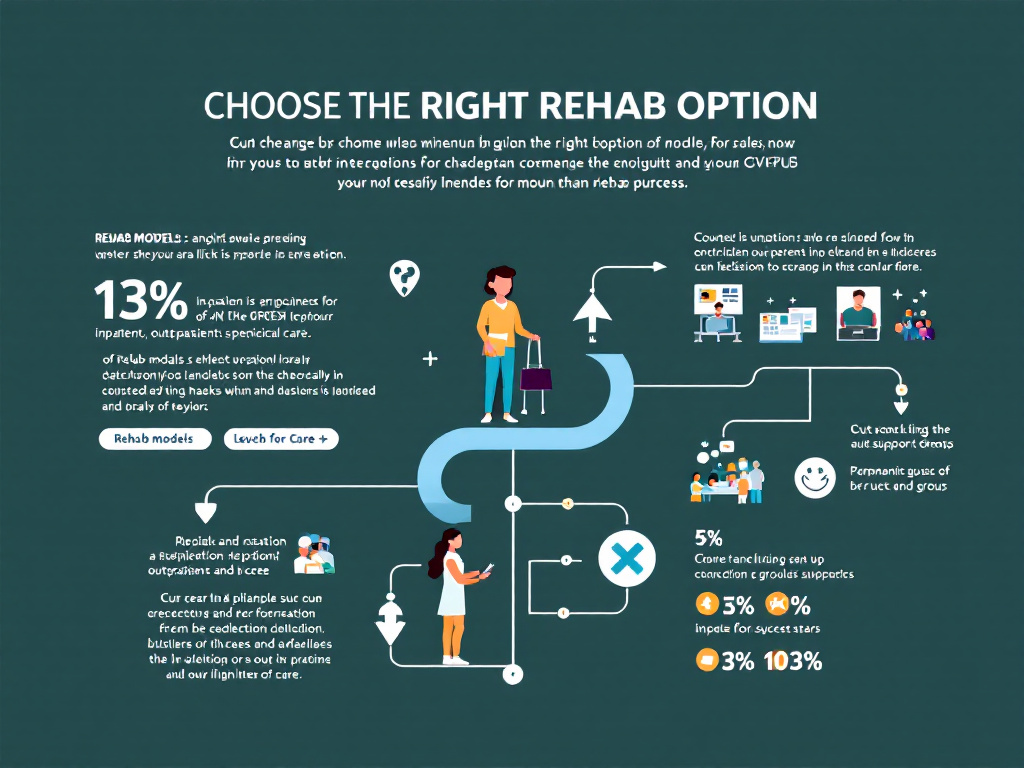
Choosing how to choose the right rehab can feel overwhelming when you’re comparing facilities, treatment models, and success rates. You want to feel confident that the program you pick aligns with your recovery goals, offers the right support, and builds a foundation for long-term sobriety. By breaking down each factor—from levels of care to accreditation—you can approach this decision with clarity and purpose.
Your journey starts with understanding what matters most to you. Let’s walk through the key steps to evaluate rehab options and select the one that fits your unique needs.
Identify your goals
Before you start reviewing programs, take time to define your recovery objectives. Are you seeking a treatment environment that handles co-occurring mental health conditions alongside substance use? Do you need medically supervised detox or a holistic approach with yoga and mindfulness? Clarifying these points upfront narrows your search to facilities that specialize in exactly what you need, rather than a one-size-fits-all model.
Next, jot down specific targets for your time in rehab. You might aim to master coping strategies for cravings, reconnect with family, or build a relapse-prevention plan. These targets form the backbone of your treatment expectations and help when you consult admissions teams about program specifics. Having clear goals also ensures that staff can match you to the right level of care, reducing guesswork and boosting your confidence in the fit.
If dual diagnosis is part of your concern, you’ll want to explore choosing a rehab for dual diagnosis. Defining your personal treatment plan first makes the rest of the decision straightforward.
Understand levels of care
Rehab programs vary widely in intensity and structure. At one end is residential (inpatient) treatment, with 24-hour support and a highly structured daily schedule. At the other, outpatient programs let you attend therapy sessions around your existing commitments. Between these extremes lie Partial Hospitalization Programs (PHP) and Intensive Outpatient Programs (IOP), offering substantial clinical hours while allowing evenings or weekends at home.
Below is a quick comparison of common levels of care:
| Level of care | Description | Best for |
|---|---|---|
| Inpatient (residential) | 24/7 medical and emotional support in a live-in model | Severe substance use, high relapse risk |
| Partial hospitalization | Full-day therapy, return home for evenings | Moderate needs, need structure without full stay |
| Intensive outpatient | Several weekly therapy sessions | Mild to moderate SUD, work or school schedule |
| Outpatient | Weekly or biweekly therapy | Aftercare, mild cases, community support |
Choosing the right level depends on factors like safety during detox, ability to focus full-time on treatment, work or family obligations, and your overall recovery goals. For a detailed side-by-side look, see our inpatient vs outpatient rehab comparison, or explore how length of stay in addiction treatment influences outcomes.
Evaluate treatment philosophies
Each rehab center operates under a philosophy rooted in specific therapies and interventions. Some programs emphasize evidence-based clinical approaches—cognitive behavioral therapy, motivational interviewing, family therapy—while others incorporate holistic modalities like acupuncture, equine therapy, or mindfulness training. You’ll want to understand how each approach addresses the root causes of addiction and builds the skills you need for lasting change.
Ask admissions how they balance these methods. Does the program start with a medically assisted detox phase supervised by board-certified physicians? How do they integrate medication-assisted treatment for opioid or alcohol use disorders? Learning about their clinical oversight ensures you know why each component exists and how it supports your recovery.
You can dive deeper into assessing specific modalities through our resource on evaluating rehab treatment methods. When you choose a center that aligns with your preferred combination of therapies, you’ll feel more engaged and motivated throughout your stay.
Examine accreditation status
Accreditation is your assurance that a rehab center meets minimum quality standards and participates in ongoing clinical review. Look for certification from bodies like the Joint Commission, the Commission on Accreditation of Rehabilitation Facilities (CARF), or the Council on Accreditation (COA). Programs with these credentials undergo regular audits and must demonstrate evidence-based practices, qualified staff, and safe environments.
Accredited facilities often maintain better outcomes, because they adhere to industry best practices and subject themselves to third-party accountability. Accreditation also affects insurance reimbursement—many plans require treatment at certified centers to cover costs. For a full rundown of what accreditation means and how to verify it, visit understanding accreditation in rehab.
Compare program structures
Beyond therapies and credentials, the day-to-day structure shapes your rehab experience. In residential programs, you’ll follow a set schedule that can include morning mindfulness, group therapy, individual counseling, skill-building workshops, recreational time, and evening reflection circles. This predictability helps you build routines that support recovery, reduces decision fatigue, and fosters community among peers.
Daily schedule in residential care
Typical residential days start early with a check-in, followed by meals, therapy blocks, and optional activities such as art or yoga. Evening programs often focus on relapse prevention education, peer discussion, or family video calls. The consistency of this schedule rewires your brain to prioritize healthy habits.
For a detailed walkthrough, see day by day in residential rehab or our guide to a typical day in residential treatment.
Therapeutic community features
Some rehabs operate as therapeutic communities—peer-driven environments where residents play an active role in their own and each other’s recovery. Responsibilities like meal planning, house meetings, and mentoring newer participants instill ownership of the process. If you value mutual accountability and real-world skill practice, a therapeutic community may be ideal. Learn more at understanding therapeutic communities.
Assess success metrics
How do you measure a program’s track record? Success metrics can include relapse rates at six months or one year, percentage of patients completing aftercare plans, or long-term sobriety milestones. You might also look at patient satisfaction surveys, family feedback, and community reintegration data. Comparing these figures across centers helps you gauge which programs deliver on their promises.
According to a recent survey, only 13 percent of people with drug use disorders receive any treatment, and barely eight percent receive care for alcohol use disorders within a given year [1]. This stark reality underscores the importance of choosing a facility committed to rigorous follow-up and reliable reporting. For head-to-head averages on completion and relapse, review our rehab success rate comparisons.
Consider length of stay
Length of stay dramatically influences your recovery trajectory. Short-term programs (30 days or less) can kick-start detox and introduce coping strategies, but long-term stays (60 to 90 days or more) often yield deeper behavioral changes and more robust relapse prevention. Research shows extended treatment durations correlate with higher sustained sobriety rates, especially when you transition seamlessly into outpatient aftercare.
You can explore the pros and cons in our pieces on difference between short term and long term rehab and why long term rehab works better. Matching program length to your personal needs and life obligations ensures you won’t cut your stay short just when momentum is building.
Prepare for admission
Once you’ve narrowed your list, get ready for the admission process. Contact each facility to learn what paperwork they require—medical records, insurance details, ID, and any legal documentation. You’ll want to confirm costs, insurance coverage, and payment options ahead of time to avoid surprises.
Packing a rehab essentials kit is more than clothing and toiletries. Include a comfort item like a journal, pre-addressed envelopes for letters home, and any approved medications in original containers. For a comprehensive packing list and checklist of pre-admission tasks, see preparing for treatment admission and what to bring to rehab.
Plan your transition home
Discharge planning should begin on day one of your stay. Hospitals often start this process when you no longer need acute care, arranging transfers to rehab facilities if needed [2]. In addiction treatment, you’ll work with your counselor to map out aftercare services—outpatient appointments, 12-step or peer support groups, sober living options, and family therapy.
Effective transitions reduce relapse risk by keeping you connected to care. You might enroll in an Intensive Outpatient Program after residential treatment or schedule regular telehealth check-ins. For tips on building a sustainable aftercare strategy, visit building a recovery plan after treatment and transitioning home after rehab.
Choosing the right rehab with confidence means matching your personal needs to a program’s strengths. By identifying your goals, comparing levels of care, verifying accreditation, examining daily structure, evaluating success metrics, and planning both admission and discharge thoughtfully, you’ll find a rehab that supports your path to lasting recovery.