In 2022, an estimated 1.9 million American adults reported using kratom, according to data from the National Center for Health Statistics. By 2025, national surveys and poison-center reports show continued growth, with past-year use likely exceeding 2 million adults. Many turn to this herbal substance native to Southeast Asia for chronic pain relief, increased energy, mood elevation, or self-managed opioid withdrawal.
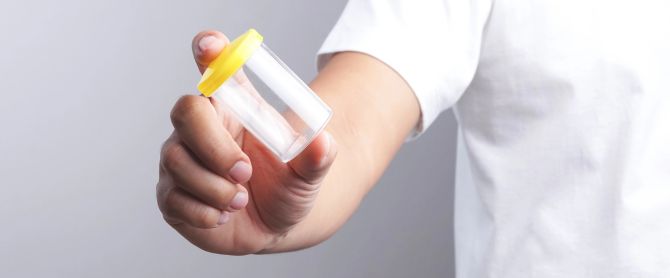
As use rises, so do questions about drug screenings: does kratom show up on a drug test? Will kratom show up on drug screen results? Does kratom show up on a 10 panel drug test? What does kratom even show up as on a drug test? This detailed, evidence-based guide answers every common question with the most current information available in 2025.
Questions Answered in This Article:
- Do Standard Drug Tests Detect Kratom or Kratom Alkaloids?
- What Does Kratom Show Up As on a Drug Test?
- How Long Does Kratom Stay in Your System?
- Can Kratom Cause False Positives or Product Contamination Issues?
Feeling stuck with kratom?
Let us help you recover
Do Standard Drug Tests Detect Kratom or Kratom Alkaloids?
No. The vast majority of standard drug tests used by employers, probation officers, rehabilitation facilities, and the Department of Transportation do not include kratom or its primary kratom alkaloids, mitragynine and 7-hydroxymitragynine.
Routine 5-panel and 10-panel urine screens test only for:
- Marijuana (THC and metabolites)
- Cocaine
- Amphetamines and methamphetamine
- Opiates (codeine, morphine, heroin, and some semi-synthetic opioids)
- Phencyclidine (PCP)
Some extended panels add benzodiazepines, barbiturates, Buprenorphine/Naltrexone, or oxycodone, but none of these standard immunoassay tests are designed to detect the unique chemical structure of kratom alkaloids. Because kratom remains federally unscheduled, laboratories do not include kratom testing in routine panels unless a client or court specifically requests and pays for it.
What Does Kratom Show Up As on a Drug Test?
When a specialized test is performed, kratom shows up as mitragynine (the primary alkaloid) and 7-hydroxymitragynine (the more potent metabolite). These are the signature compounds found exclusively in kratom leaves. Only sophisticated laboratory techniques such as liquid chromatography-tandem mass spectrometry (LC-MS/MS) or high-performance liquid chromatography (HPLC) can reliably identify and quantify these alkaloids. Standard rapid-screen cups and dipstick tests used at most clinics and workplaces cannot detect them at all.Understanding what kratom shows up as on a drug test is crucial if you’re in a high-stakes situation like probation or treatment. For those navigating opioid withdrawal where kratom might have been a temporary aid, knowing these details can help you plan ahead.
Kratom test anxiety?
Get straight, expert answers
Situations Where a Test Can Detect Kratom and Kratom Testing Is Performed
Although rare in general employment screening, kratom testing is becoming more common in targeted settings:
- Residential and outpatient addiction treatment programs (especially opioid-focused)
- Drug courts and probation departments that list kratom as a prohibited substance
- Certain military branches and federal contractor positions
- Pain-management clinics with strict non-opioid policies
- Forensic toxicology investigations after accidents or overdoses
- Child-custody or family-court cases where substance use is contested
In each of these scenarios, the ordering agency must explicitly request and pay extra for the specialized kratom panel. A standard 10-panel drug test will almost always come back negative for kratom even if someone used it the day before. If kratom is detected in these contexts, it often signals the need for professional addiction treatment to address underlying patterns.
How Long Does Kratom Stay in Your System?
How long kratom stays in your system varies significantly based on dose, frequency, body weight, metabolism, liver function, and hydration levels. The following are average detection windows supported by clinical studies:
- Urine testing: Mitragynine is detectable for 1 to 7 days after last use. Chronic users taking higher doses multiple times daily may remain positive for 9 days or slightly longer.
- Blood testing: Usually less than 72 hours, often clearing within 24 to 48 hours.
- Saliva tests: Most commercial oral-fluid saliva tests cannot reliably detect kratom alkaloids at this time.
- Hair tests: In theory, alkaloids could be incorporated into hair follicles for up to 90 days, but standardized hair tests for kratom are extremely rare and not offered by major reference laboratories.
Higher doses, daily use, slower metabolism, and dehydration all extend detection windows across every testing method. For personalized advice on detection windows during recovery, consider reaching out for a confidential consultation through our verify your insurance page to see how treatment coverage might apply.
Worried about drug test results?
Get confidential help
Can Kratom Cause False Positives or Product Contamination Issues?
Pure, laboratory-verified kratom almost never triggers a false positive for traditional opiates on initial immunoassay screens. In the rare cases where interference has been reported, confirmatory GC-MS or LC-MS testing rules out opiates and correctly identifies only kratom alkaloids.
A much larger real-world risk is product contamination. FDA and independent laboratory analyses continue to find commercially sold kratom adulterated with pharmaceutical opioids (fentanyl, tramadol, hydrocodone), synthetic cannabinoids, and heavy metals. Using contaminated products can produce true positive results for these far more dangerous substances on any standard drug test. This underscores the importance of safer alternatives, like evidence-based drug rehab programs that prioritize clean, supervised recovery.
Kratom for Opioid Withdrawal: Short-Term Help vs. Long-Term Dependence
Thousands of individuals first try kratom leaves to ease opioid withdrawal symptoms such as anxiety, muscle aches, sweating, insomnia, and restlessness. Because mitragynine and 7-hydroxymitragynine are partial mu-opioid receptor agonists, many do experience temporary relief.
However, tolerance develops quickly, and chronic use frequently leads to physical dependence. When heavy users attempt to stop, they encounter their own withdrawal symptoms: irritability, restlessness, sleep disturbance, muscle pain, runny nose, teary eyes, and intense cravings that can last from several days to two weeks or longer. In clinical settings, kratom withdrawal is managed similarly to mild-to-moderate opioid withdrawal. If you’re experiencing these withdrawal symptoms, our addiction treatment program offers medically supervised detox to make the process safer and more comfortable.
Need detox guidance?
Speak with our team today
Kratom Legal Status and Testing Risks in 2025
Kratom remains federally unscheduled and is not approved by the FDA for any medical use. As of November 2025, seven states have enacted complete bans:
- Alabama
- Arkansas
- Indiana
- Louisiana
- Rhode Island
- Vermont
- Wisconsin
Numerous cities and counties have additional local restrictions. Even in states where kratom is legally sold, probation, parole, drug courts, and licensed treatment facilities routinely prohibit it and may require specialized kratom testing if use is suspected. Legal uncertainties like these often heighten anxiety around drug screenings—our team can help clarify how these risks intersect with your recovery journey.
Next Steps If You Are Concerned About Kratom Testing or Dependence
If your upcoming screening is a standard employment, probation, or DOT test with no mention of expanded or specialized panels, the chance of kratom being detected is extremely low. However, if daily use has led to tolerance, cravings, or withdrawal symptoms when you try to cut back, professional guidance dramatically improves both safety and long-term success.Medically supervised tapering or detoxification can significantly reduce discomfort and prevent complications. Evidence-based behavioral therapies address underlying pain, trauma, or mental health conditions that often fuel substance use in the first place. Start by exploring how our programs fit your needs via the verify your insurance tool—it’s quick, confidential, and obligation-free.
Worried about kratom detection times?
Reach out before your test
Evidence-Based Treatment at Windward Way Recovery
Windward Way Recovery in Costa Mesa, California, specializes in treating kratom dependence, opioid use disorder, and co-occurring mental health conditions in a supportive, non-judgmental environment. Our programs include:
- 24/7 medically monitored detoxification when clinically indicated
- Individualized treatment plans using cognitive-behavioral therapy (CBT), dialectical behavior therapy (DBT), and trauma-informed care
- Relapse-prevention planning built around real-life triggers
- Family therapy and alumni support networks
- Acceptance and verification of most major insurance plans
We tailor every aspect to help you rebuild confidence and skills for sustained sobriety, whether kratom was your primary concern or part of a broader substance use pattern.
Need Help Managing Kratom Use? Take the First Step Now
You do not have to figure this out alone. Whether you need clarity about an upcoming drug screening, safe tapering guidance, or comprehensive residential treatment, Windward Way Recovery is ready to help.
Call our admissions specialists right now at (949) 749-3522 or visit https://windwardway.com to start a confidential conversation and verify your insurance benefits today. For immediate next steps, use our verify your insurance form to check coverage in under 5 minutes.
Accurate information and professional support can change everything. Reach out now and take the first step toward lasting freedom.