
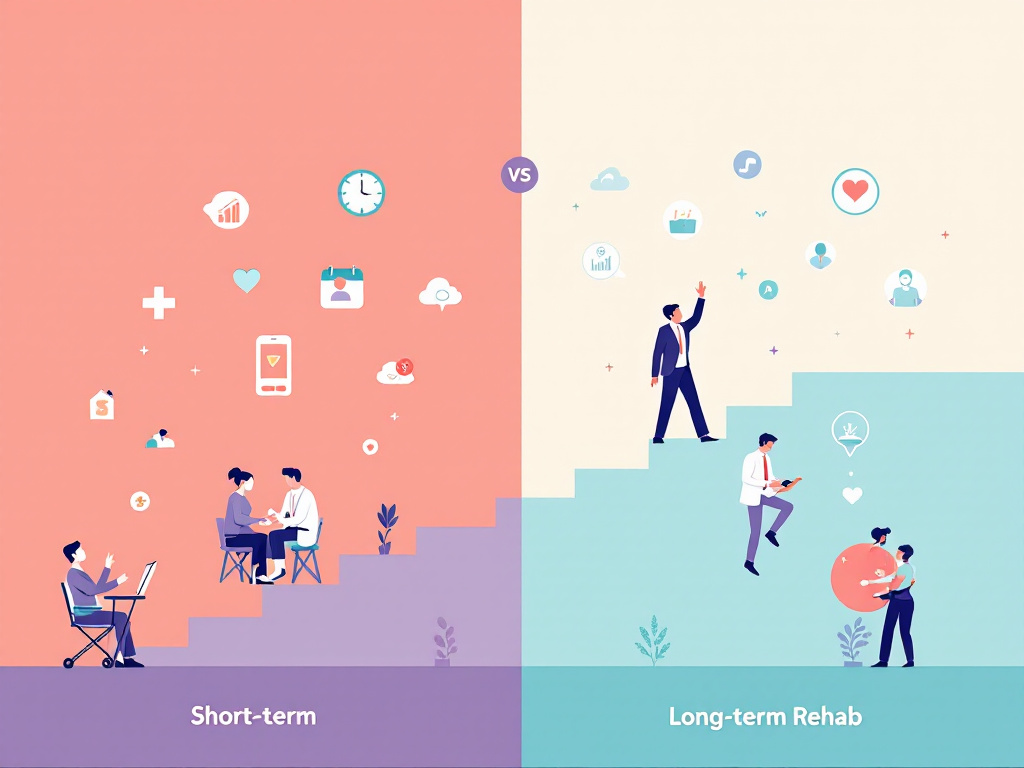
You’ve probably asked yourself why long term rehab works better when you’re comparing addiction treatment options. Choosing a program that extends beyond 90 days can give you the time and structure needed to address not just the physical aspects of withdrawal but the emotional and behavioral issues at the root of substance use. With this extended support, you’ll build coping strategies, strengthen your relapse prevention skills, and practice living sober in a safe, therapeutic community.
In this guide, you’ll learn what makes long-term rehab distinct, how to evaluate program quality, and what a typical day looks like in a high-quality residential setting. You’ll also discover which success metrics truly matter, how to prepare for admission, and how to transition back home equipped for lasting recovery. By the end, you’ll understand exactly why long term rehab works better for you.
Understanding long term rehab
Defining long term vs short term
When you explore rehab models, duration often defines the depth of care you’ll receive. Short-term programs—usually 30 days or less—focus on detoxification and immediate stabilization. In contrast, long-term rehab stretches 90 days or more, giving you sequential phases of therapy, life skills training, and step-down support.
| Feature | Short-term rehab | Long-term rehab |
|---|---|---|
| Typical duration | Up to 30 days | 90 days or longer |
| Depth of therapy | Initial detox and education | Multi-phase therapy including life skills |
| Continuity of care | Quick transition to outpatient | Integrated levels of care within one program |
| Relapse prevention | Brief relapse education | Ongoing planning, counseling, and peer support |
| Community integration | Limited peer network | Strong therapeutic community |
This extended timeline allows you to practice sobriety, apply new skills in real time, and gradually prepare for reentry into daily life. As a result, when you compare the two, it’s pretty clear why long term rehab works better at laying a foundation for lasting recovery.
Treatment philosophies and duration
Not all rehab programs follow the same treatment philosophy, and length often reflects that divergence. Short-term models tend to prioritize medical detox and crisis stabilization, then quickly refer you to outpatient care. Long-term rehabs can weave together evidence-based therapies—like cognitive behavioral therapy and dialectical behavior therapy—alongside holistic approaches such as yoga, art therapy, and mindfulness.
With more weeks or months on your side, you’ll benefit from life skills workshops, vocational training, and family counseling. That extra time also lets you explore coping mechanisms, manage triggers, and build a sober support network. In the end, this comprehensive approach helps explain why long term rehab works better when you’re serious about sustainable change.
Evaluating program quality
Accreditation and standards
Before you commit, check whether a facility holds recognized credentials. Accreditation ensures a rehab center meets rigorous benchmarks for safety, staffing, and treatment protocols. Understanding the role of reputable bodies—like the Joint Commission or CARF—can guide you toward programs that adhere to industry best practices. For more on evaluating credentials, see understanding accreditation in rehab.
Clinical staff expertise
Your recovery hinges on the professionals you’ll work with daily. Look for programs staffed by board-certified psychiatrists, licensed therapists, and experienced nurses. Skilled clinicians can tailor therapy to your unique needs while monitoring co-occurring mental health disorders. High staff-to-client ratios often translate to more personalized attention and a safer environment for your healing.
Individualized treatment plans
One-size-fits-all rarely works in addiction care. You need a customized roadmap that addresses your history, substance of choice, and any co-occurring conditions. Programs with individualized treatment plans will regularly reassess your progress, adjusting therapy modalities and intensity as you evolve. This adaptability is why long term rehab works better—you’re not rushed out before you’re ready. Learn more about customization at importance of individualized treatment plans.
Therapeutic communities
The peer environment can make or break your experience. A strong therapeutic community fosters trust, accountability, and genuine connection. Group sessions, communal meals, and team activities create bonds that help you stay engaged and motivated. If you want to understand how these communities support recovery, check understanding therapeutic communities.
Structuring daily routines
Therapeutic sessions and activities
Your day in a long-term residential program typically blends individual therapy, group counseling, and specialized workshops. You might start with a morning mindfulness practice, followed by psychoeducational lectures and afternoon skill-building exercises. This rhythm reinforces new behaviors and gives you multiple opportunities to apply what you learn. To see a sample schedule, visit day by day in residential rehab.
Life skills training
Beyond therapy, you’ll build practical abilities like budgeting, time management, and healthy communication. Workshops on nutrition, resume writing, and parenting can prepare you for real-world responsibilities. These lessons are critical, because managing daily stressors without substances is a cornerstone of long-lasting recovery.
Continuing care planning
From the outset, long-term programs map out your aftercare—whether it’s outpatient counseling, peer support groups, or medical follow-up. Planning happens in stages, so you graduate with a clear roadmap instead of being left on your own. This structured handoff distinguishes quality rehabs and shows why long term rehab works better at preventing relapse. For more on structured programs, see benefits of structured rehab programs.
Measuring treatment outcomes
Engagement and retention
How long participants stay in treatment is a key metric of program success. Research comparing 45 individuals in long-term residential treatment with 39 in short-term programs found that those in extended care were far more likely to remain engaged in therapy from intake through six-month follow-up. (PubMed)
Abstinence and relapse prevention
Sustaining sobriety beyond program completion is the ultimate goal. The same study reported that long-term patients maintained abstinence at rates significantly higher than their short-term counterparts six months after discharge. (PubMed) Additionally, evidence shows that the longer you remain in rehab, the more adept you become at managing stressors and cravings—key factors in preventing relapse. [1]
Social stability and well-being
Recovery isn’t just about not using; it’s about rebuilding your life. Long-term participants experienced fewer incidences of homelessness at six-month follow-up compared with short-term groups, suggesting better social stability outcomes. (PubMed) Extended care programs also often include socialization activities—like art therapy and music groups—that support emotional well-being and community integration. (Autumn Lake Healthcare at Voorhees, 2026)
Preparing for admission
Key questions to ask
Before you arrive, having a clear sense of a rehab’s offerings ensures you make the right choice. Consider asking:
- What accreditation does the facility hold, and which standards do you meet?
- How does your treatment philosophy align with my needs?
- What is the staff-to-client ratio, and what credentials do clinicians have?
- How are individual treatment plans developed and adjusted?
- What aftercare support is included once I complete the program?
For more guidance, see questions to ask a rehab center.
Packing essentials
Packing smart helps you focus on recovery from day one. Your checklist might include:
- Comfortable clothing suitable for therapy and activities
- Prescription medications in original containers
- Personal hygiene items (toothbrush, shampoo, razor)
- Identification and insurance information
- A small journal and writing tools
Refer to what to bring to rehab and preparing for treatment admission for a full list.
Transitioning home life
Building a recovery plan
As you near discharge, you’ll collaborate with your care team to craft a post-treatment blueprint. This plan may encompass outpatient therapy, sober living options, and peer support meetings. Taking these steps ensures you have a safety net once the structured environment ends. To explore next steps, read building a recovery plan after treatment and how rehab helps long term sobriety.
Aftercare and support networks
Maintaining momentum after rehab often involves connecting with support networks—whether that’s 12-step groups, alumni programs, or community counseling. Your transition plan should also detail who you’ll call in a crisis, how often you’ll check in with a counselor, and what ongoing medical supervision you might need. Effective aftercare bridges the gap between residential care and independent life, underscoring why long term rehab works better for sustainable recovery. See transitioning home after rehab and inpatient vs outpatient rehab comparison for more on this next stage.
By taking the time to evaluate accreditation, staff expertise, daily structure, and measurable outcomes, you’ll see why investing in a long-term program can dramatically improve your odds of lasting recovery. Armed with the right questions and a clear transition plan, you’ll be ready to step confidently into a sober future.